Materials
Filaments, resins and powders
Every material has its purpose. Here is an overview of the materials we work with, each with a short description — and we suggest the right choice for your part based on your enquiry.
FDM
Filaments
Thermoplastic materials in filament form — from standard and decorative to composites reinforced with carbon and glass fibres.
Standard
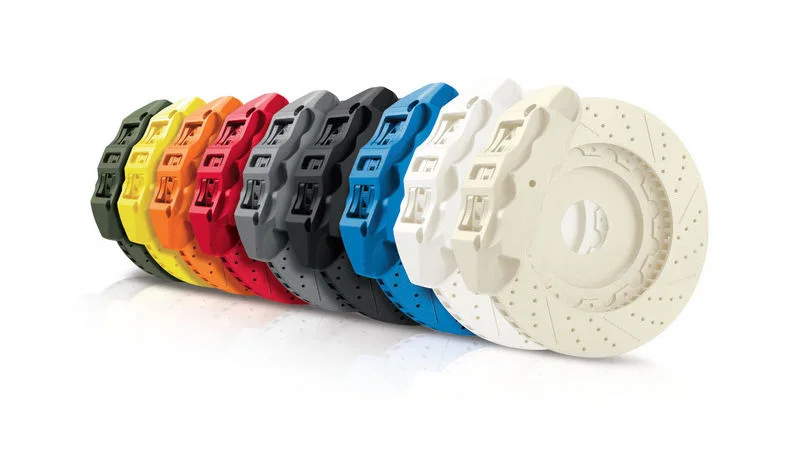
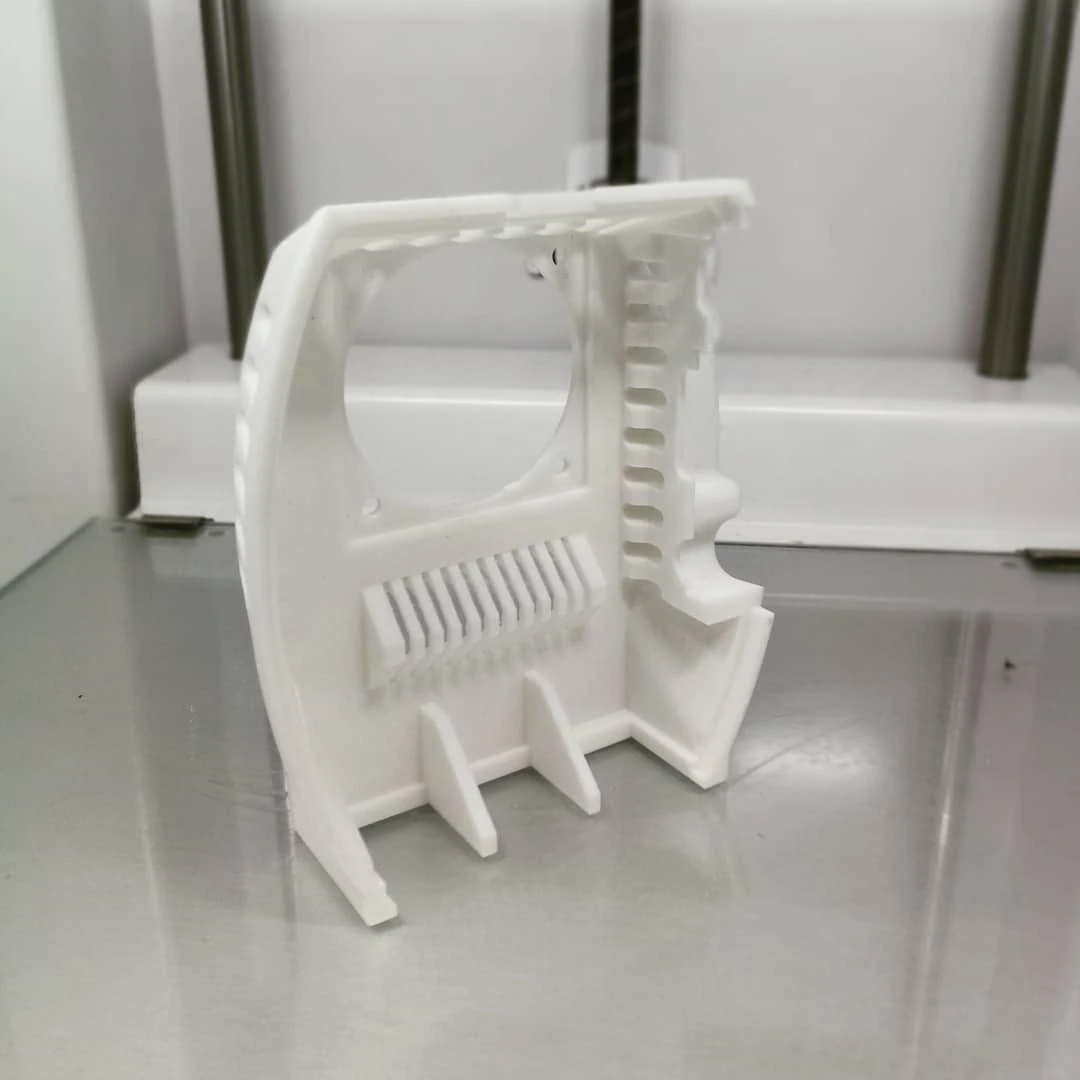
Materials for everyday production of prototypes, scale models and functional parts.
- PLA
- The most common 3D printing material: precise, easy to print and available in many colours. For scale models, prototypes and visual models.
- PLA+
- A reinforced variant of PLA — tougher and more impact-resistant, with the same ease of printing.
- PLA Silk
- PLA with a silky, glossy finish. For decorative objects and models where appearance comes first.
- PLA Matte
- PLA with a matte surface on which layers are less visible. For presentation models and scale models.
- PETG
- Strong and tough, resistant to moisture and many chemicals. A good choice for functional parts and enclosures.
- ABS
- Strong, resistant to impact and elevated temperature; easy to post-process. For technical and functional parts.
- ASA
- Similar to ABS, but resistant to UV radiation and weather. For parts used outdoors.
- TPU
- A flexible, rubber-like material, resistant to wear. For seals, dampers and bendable parts.
- Nylon (PA)
- Tough and wear-resistant, with low friction. For gears, sliding parts and mechanically loaded parts.
- PC (polycarbonate)
- Very strong, resistant to impact and elevated temperatures. For demanding engineering parts.
- Glow in the dark
- A filament that glows in the dark after exposure to light. For markings, decoration and promotional items.
Carbon composites (CF)
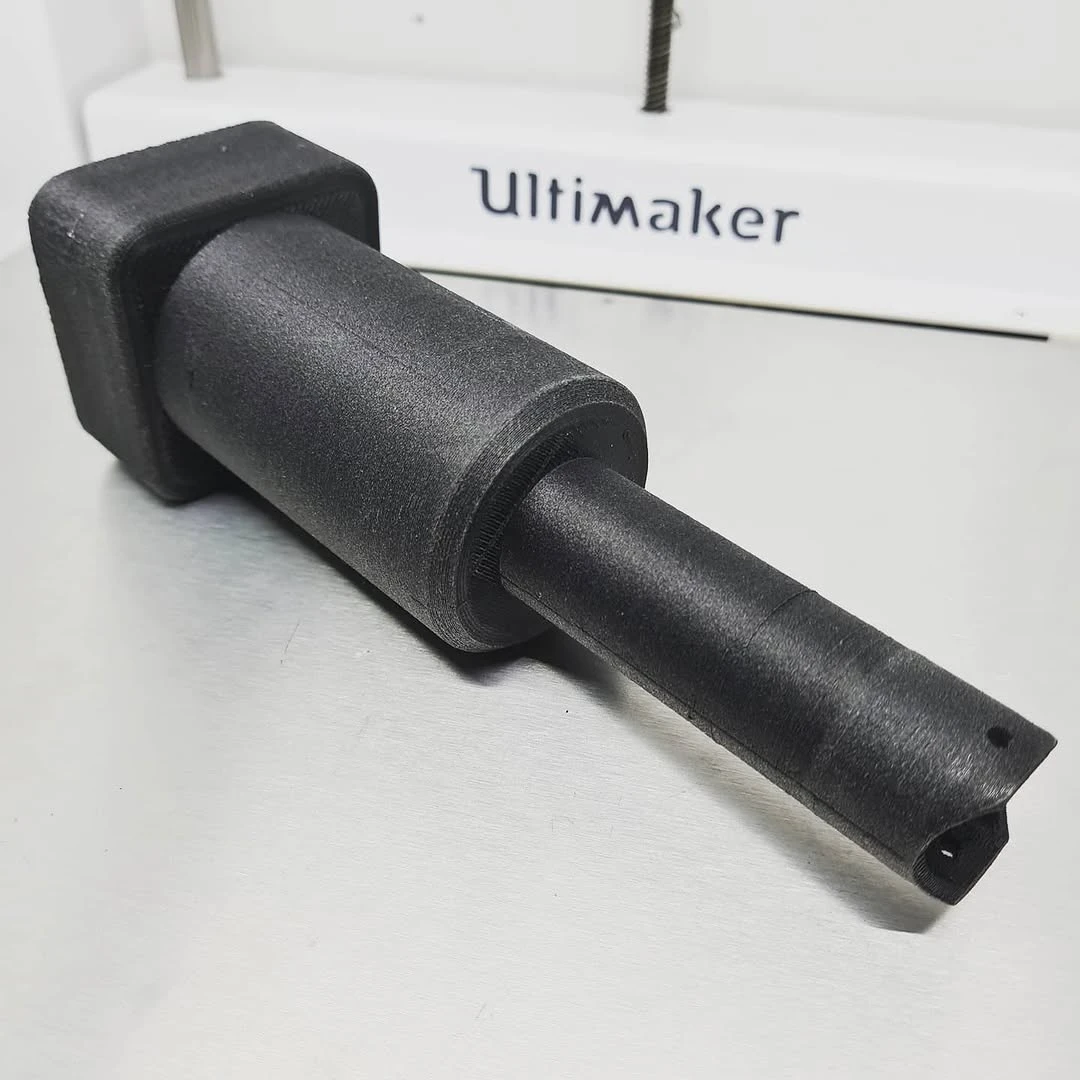
A base material reinforced with carbon fibres: greater stiffness and dimensional stability, with a fine matte surface.
- PLA-CF
- Stiff and dimensionally stable, easy to print. For rigid prototypes, jigs and auxiliary tools.
- PETG-CF
- The stiffness of carbon with PETG's resistance to moisture and chemicals. For functional parts and enclosures.
- ABS-CF
- Stiffer and more stable than ABS, with less shrinkage during printing. For technical parts and brackets.
- ASA-CF
- Stiff and UV-resistant. For loaded parts in outdoor conditions.
- PA6-CF
- A very strong and stiff carbon-reinforced nylon, resistant to temperature. For mechanically loaded parts and tools.
- PA12-CF
- Stiff and strong; absorbs less moisture than PA6-CF, so it is more dimensionally stable. For precise functional parts.
- PA612-CF
- PA612 nylon reinforced with carbon — stiff and strong, with low moisture absorption. For loaded parts that must hold their dimensions.
- PC-CF
- Combines the stiffness of carbon with polycarbonate's temperature resistance. For demanding engineering parts.
Glass composites (GF)
Materials reinforced with glass fibres: stiffer and more stable than the base material, with good impact resistance.
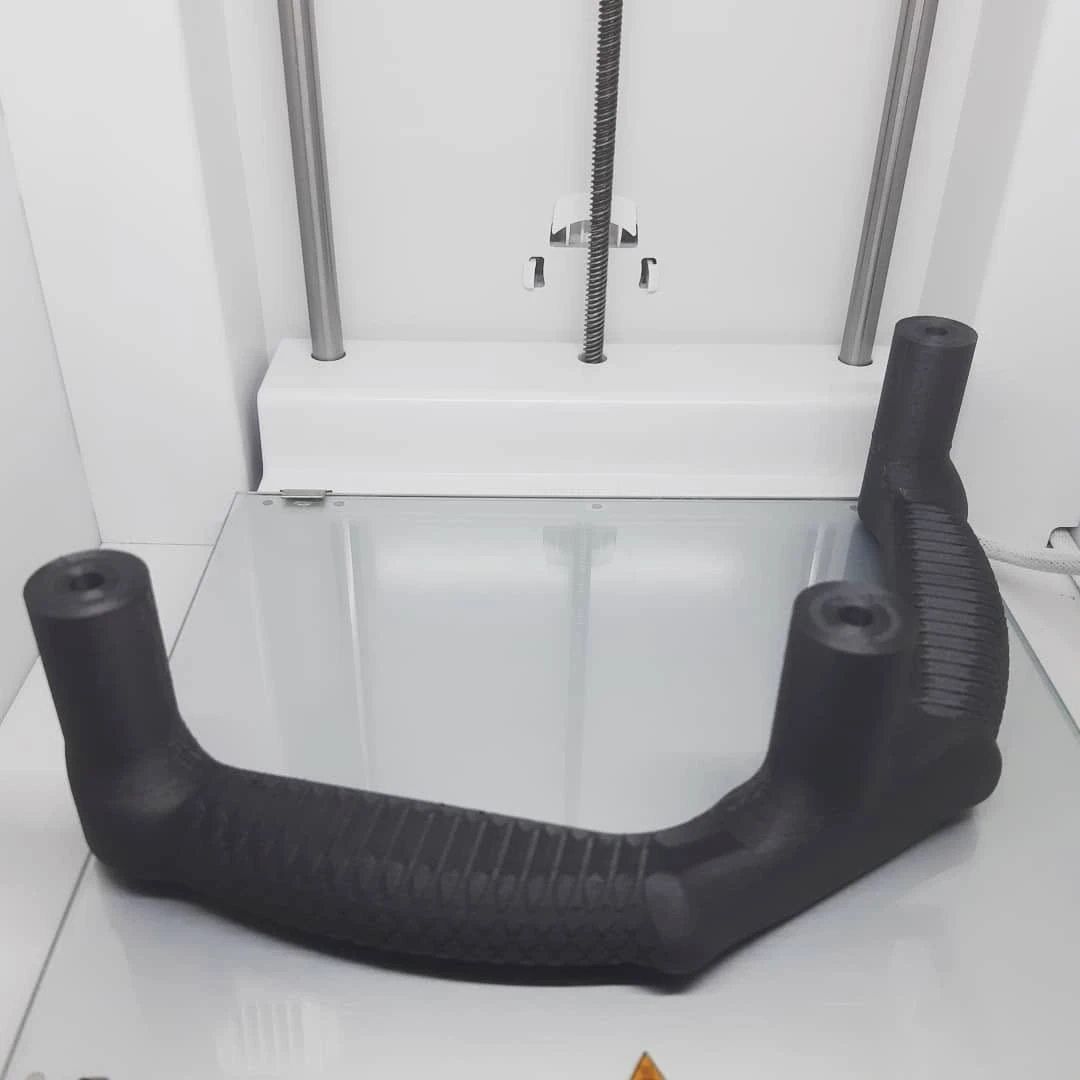
- PETG-GF
- Stiffer and more stable than PETG. For enclosures, brackets and larger parts that must not warp.
- PA-GF
- Nylon reinforced with glass fibres — stiff, strong and temperature-resistant. For structural parts.
- PP-GF
- Lightweight, chemically resistant polypropylene, reinforced for greater stiffness. For parts in contact with chemicals.
Decorative
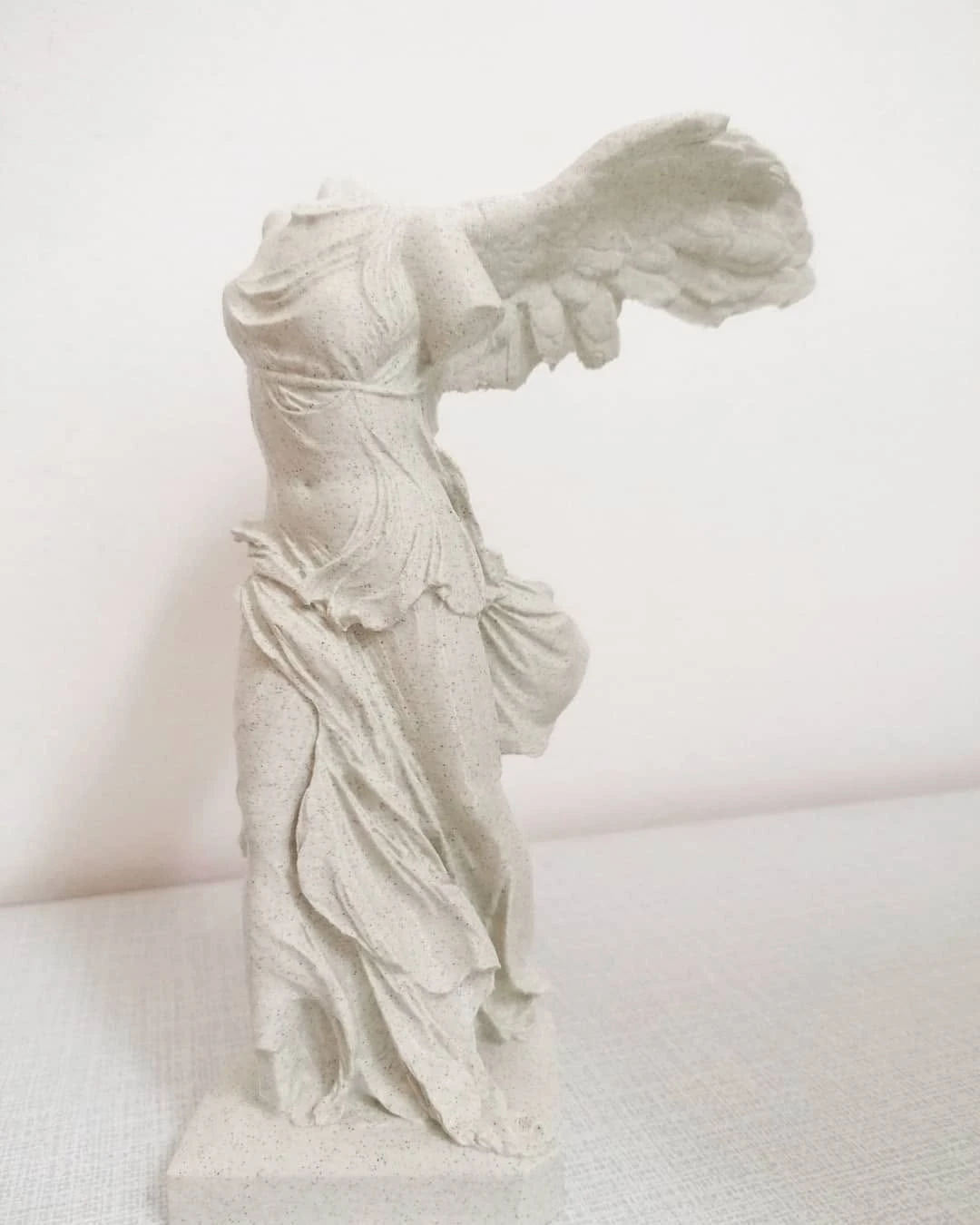
Filaments with added wood fibres or metal or mineral powder — for the look and feel of a natural material.
- Wood
- Contains wood fibres; looks like wood and can be sanded and stained.
- Bronze
- With bronze powder: the model is heavier and takes on a metallic shine when polished.
- Copper
- With copper powder; after polishing it looks like real copper.
- Brass
- With brass powder; a warm golden tone and metallic shine after polishing.
- Steel
- With steel powder; a cool metallic look and a heavier model.
- Stone / marble
- A grainy or veined surface reminiscent of stone. For scale models and decoration.
- Cork
- With cork particles — lightweight, with a warm texture. For decorative and design objects.
- Bamboo
- With bamboo fibres; a light, natural wood look.
- Hemp
- With hemp fibres; a natural, slightly grainy texture.
Support
Materials for support structures, which are removed by dissolving after printing.
- PVA
- Dissolves in water. Support for complex shapes and internal cavities that tools cannot reach.
- HIPS
- A support material that dissolves in limonene, most often paired with ABS; it can also be printed on its own.
SLA / MSLA
Photopolymer resins
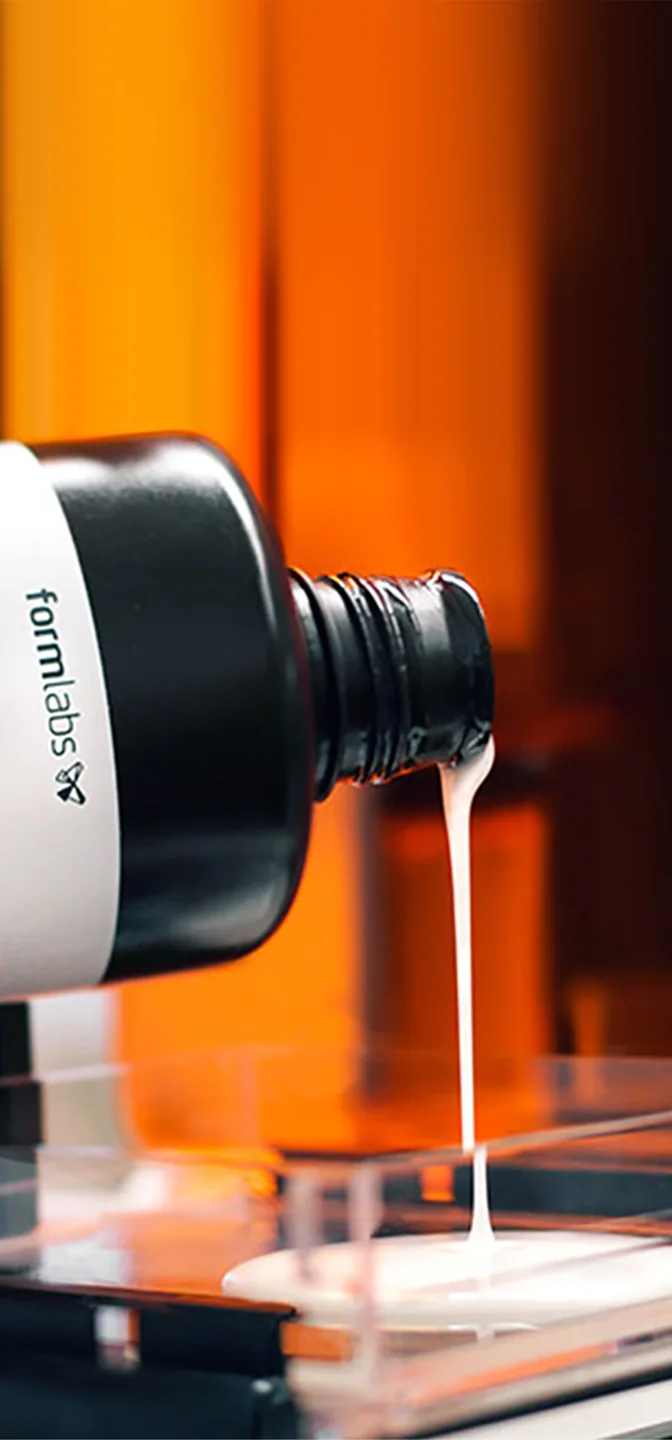
Liquid resins cured by light layer by layer — for fine details, smooth surfaces and specialised applications.
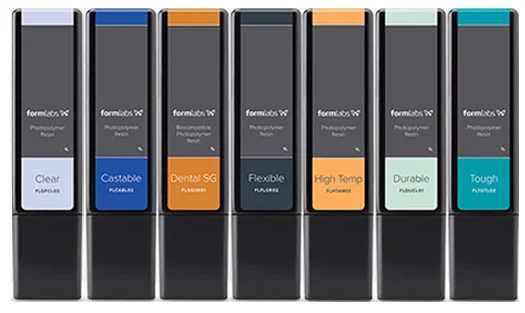
- Standard resin
- Fine details and a smooth surface. For visual prototypes, scale models and figures.
- Water-washable resin
- Washed with water instead of alcohol, with properties similar to standard resin.
- ABS-like / Tough resin
- Tougher and more impact-resistant than standard resin. For functional prototypes and parts that are assembled.
- Flexible resin
- Bendable and elastic, rubber-like. For seals, grips and soft parts.
- Transparent (Clear) resin
- Transparent; polishing or lacquering makes it almost glass-like. For optical models and showing internal structure.
- High-temperature resin
- Keeps its shape at elevated temperatures. For moulds, inserts and parts in hot environments.
- Castable resin
- Burns out without residue. For casting jewellery and precise metal parts.
- Dental / biocompatible resin
- Resins intended for dental and medical use, e.g. for models and surgical guides.
SLS
Powders for SLS
Powder that a laser sinters into solid, complex parts without support structures — for functional parts and small series.
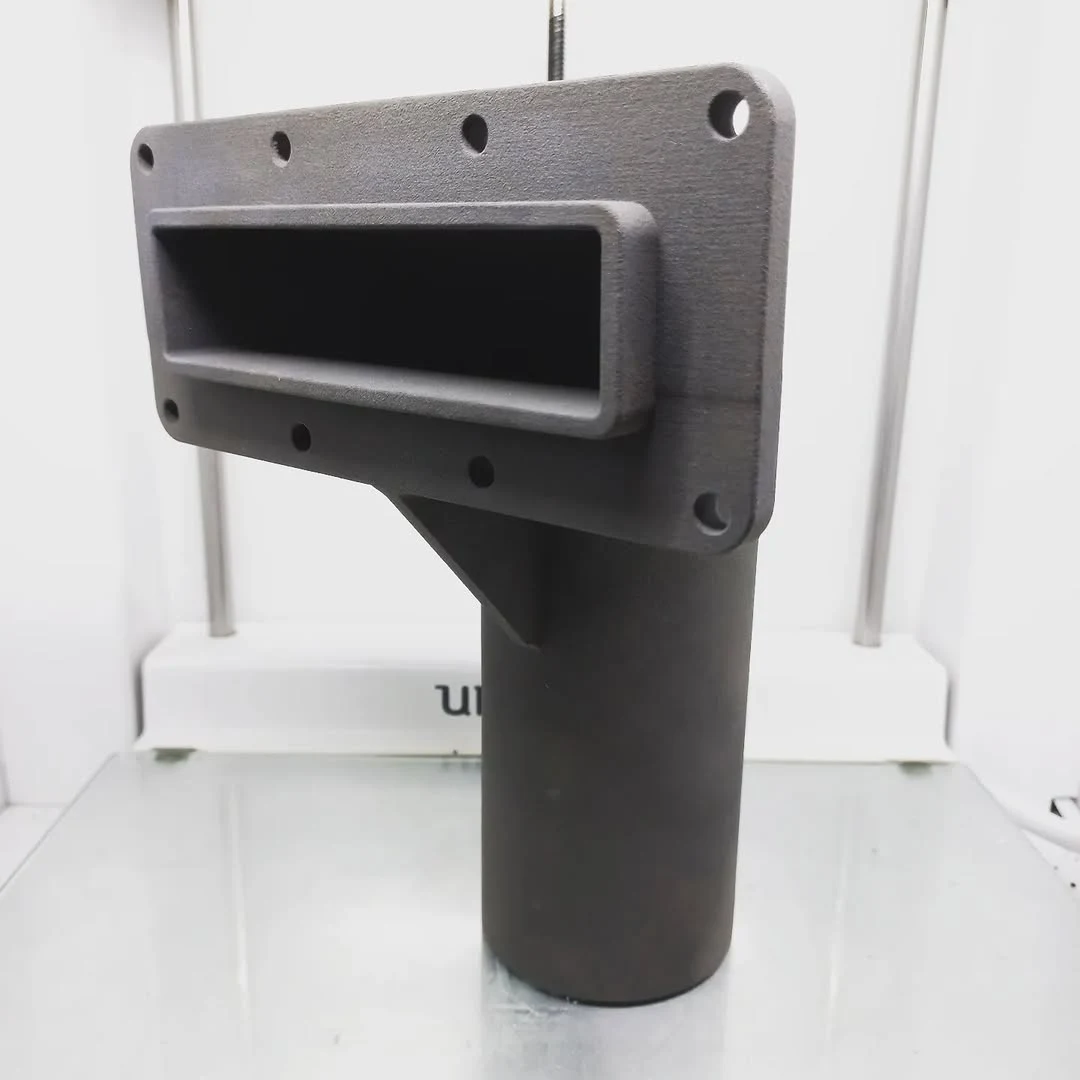
- PA12
- The SLS printing standard: strong, precise and chemically resistant. For functional parts and small series.
- PA11
- Tougher and more elastic than PA12, more impact-resistant. For parts that flex or take impacts.
- PA12 GF
- Glass-filled PA12 — stiffer and more resistant to elevated temperature.
- PA12 CF
- PA12 reinforced with carbon fibres — lightweight, very stiff and strong.
- TPU
- A flexible, elastic material. For seals, dampers and soft parts.
- PP
- Polypropylene — lightweight, tough and chemically resistant. For containers, joints and parts with living hinges.
Note: the material descriptions are informative and general; exact properties depend on the manufacturer and printing conditions. For parts with special requirements (load, temperature, contact with skin or food), be sure to contact us before choosing a material.
Next step
Which material is right for your part?
Send us a model or a description of its purpose — we will suggest a material and a printing technology.