3D printing
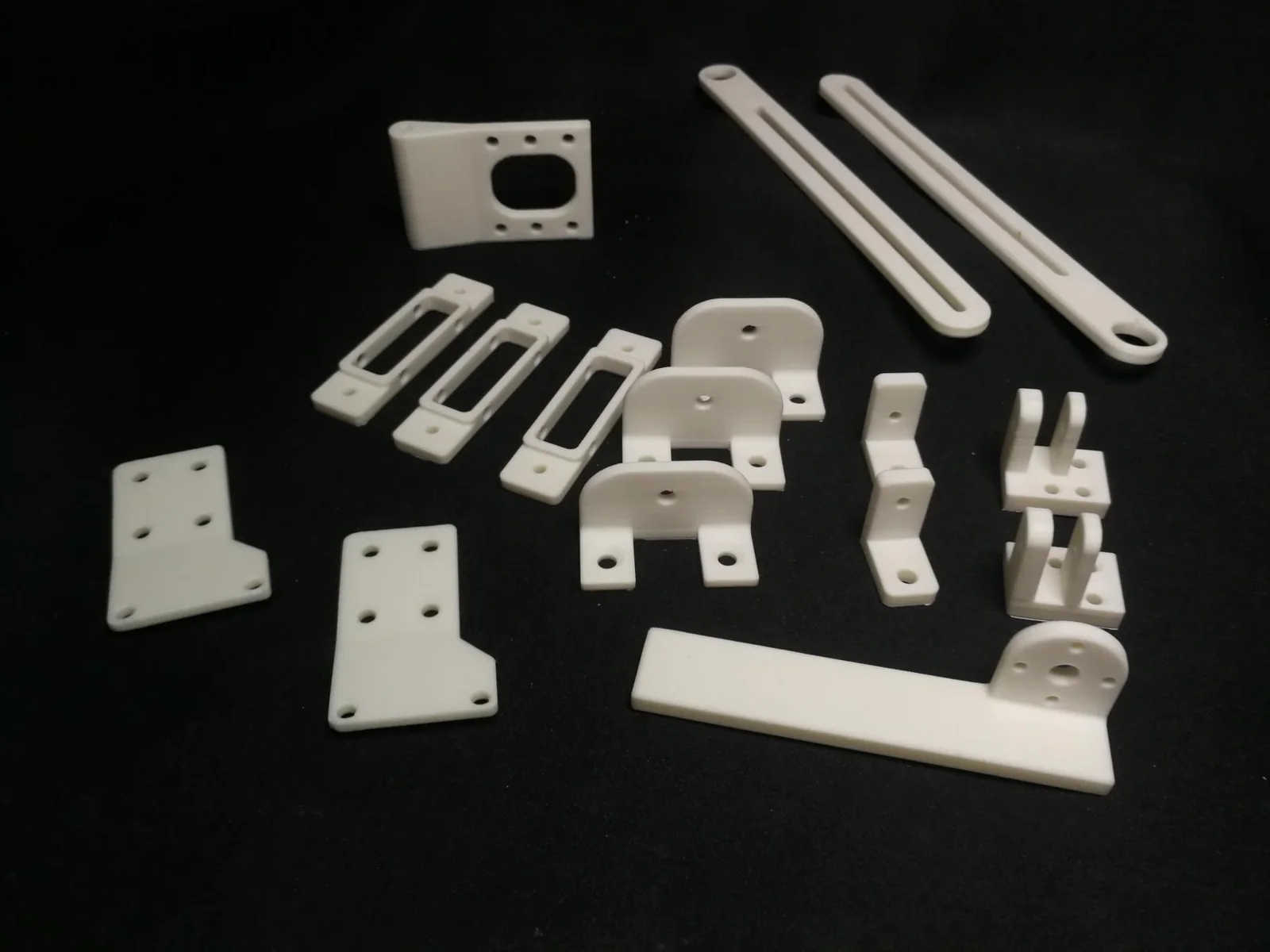
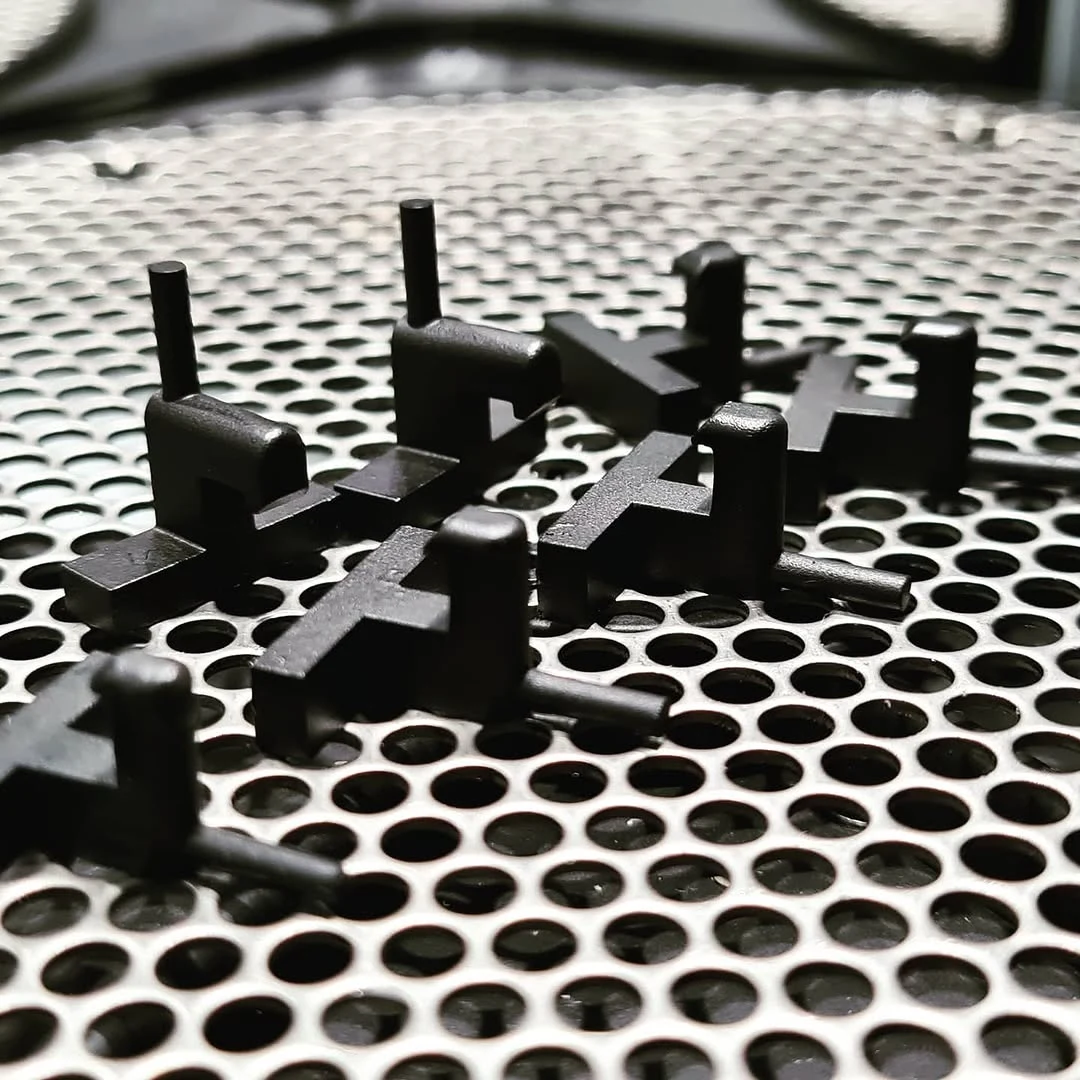
Parts for the competition robots of the PMG Robotics team
Robotics · EUROBOT student competition
Rapid prototyping and spare parts · Reverse engineering
From conceptto finishedproduct
What is 3D printing?
A faster, easier and more efficient solution in production preparation — and in production itself. Models are built layer by layer, from materials with different mechanical and physical properties.
With a 3D model you can test market potential before investing, and print high-quality, complex and unique models and prototypes. The main advantage of this technology is flexibility — the ability to change the design before production begins.
Services
Three core services that build on one another — individually or as a complete process.
01
Scale models, parts and functional prototypes in filament, resin and nylon.
02
We turn a physical object into a precise digital 3D model.
03
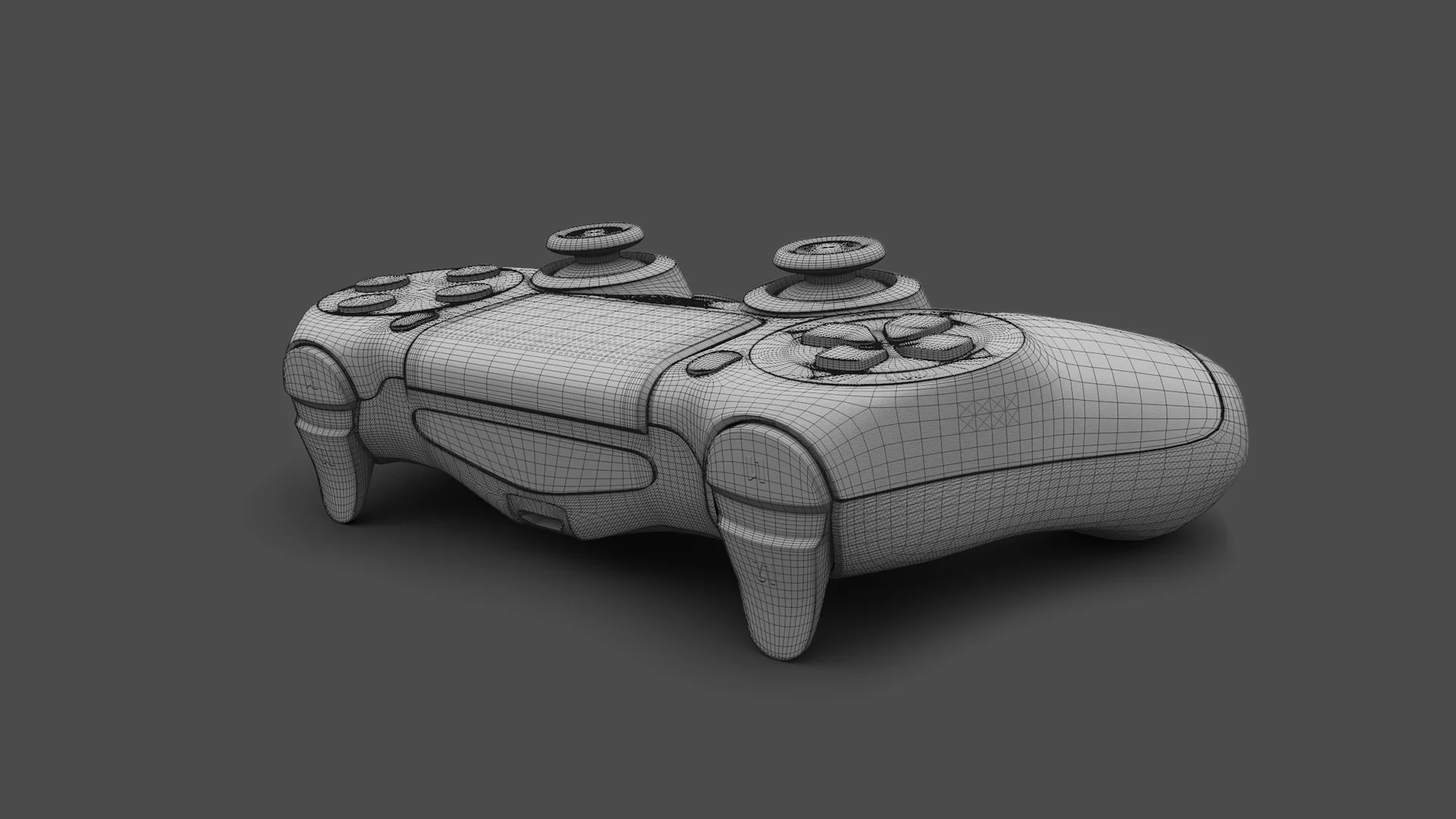
Parametric 3D models based on an idea, drawing or sketch.
Additive manufacturing
01
For small series and personalised products, 3D printing can be a better and more cost-effective solution than making moulds and tooling. We produce small series of spare parts and prototypes in resin (SLA) and nylon (SLS).
02
We print high-quality parts and models from composite materials — nylon and ABS reinforced with glass (GF) or carbon (CF) fibres.
03
Parts and functional prototypes from materials with different mechanical and physical properties, faithfully reproducing the look and function of the final product.
04
We test the prototype in real conditions; flaws and better solutions go back into the 3D model before major costs arise.
Learn more05
A 3D scan of an existing part becomes a digital model ready for refinement or re-manufacture.
Learn more06
We fix errors in models and adapt them to the material, the printer and the printing method.
Learn moreApplications
From industrial design and the automotive industry to restoration and education — wherever an accurate, tangible model is needed.
Functional prototypes and models that faithfully reproduce the look and function of a product.
Car modification, scanning of existing parts and production of prototype components.
Digitising existing parts by 3D scanning as a basis for refinement and re-manufacture.
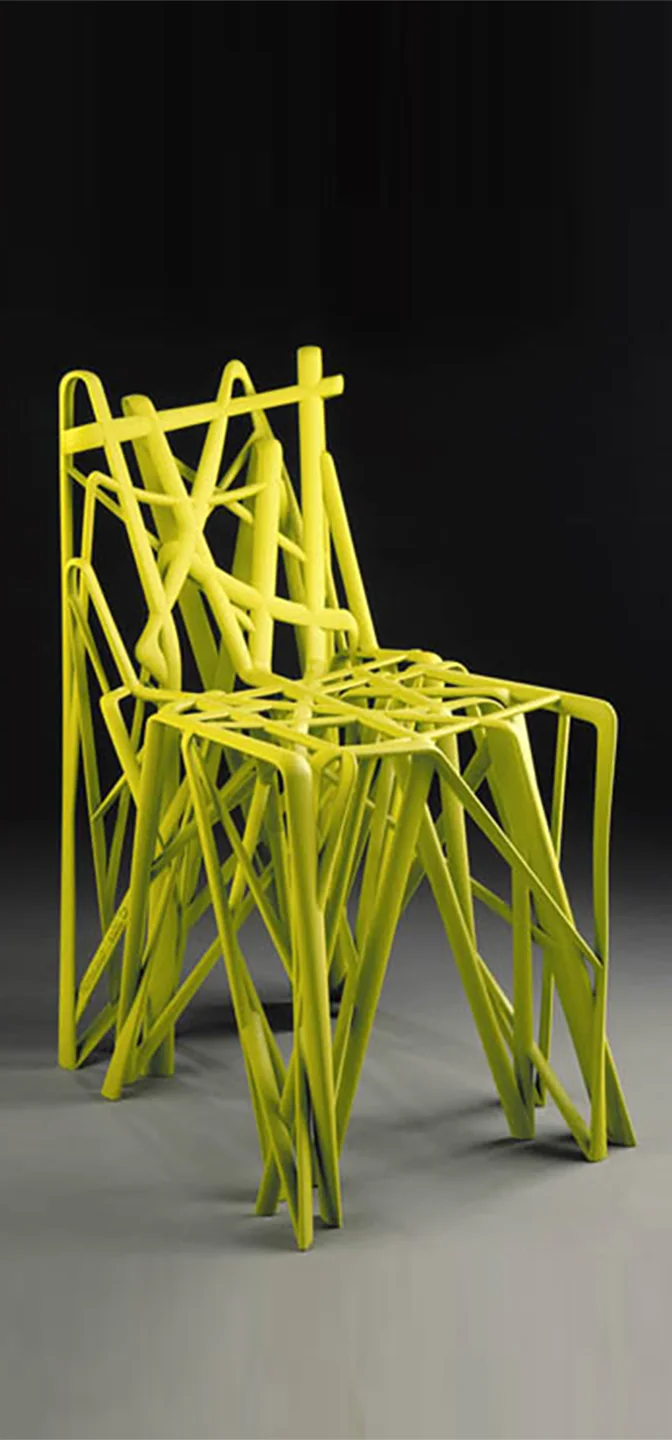
Building models and furniture and interior elements tailored to the project.
Scanning and preservation of objects, with all the irregularities and damage of the original.
Support for student teams, workshops and teaching through accessible digital fabrication.
Precise models in resins intended for dental and medical use.
Personalised products and small series with fine details.
Materials and technologies
From biodegradable PLA to engineering plastics, specialised resins and nylon — choose a group and a material.
Choose a technology
Thermoplastic materials in filament form — from standard and decorative to composites reinforced with carbon and glass fibres.
FDM
Materials for everyday production of prototypes, scale models and functional parts.
FDM
Models are built by successively depositing layers of melted filament. A wide choice of materials and large build volumes.
Bambu Lab H2D + AMS 2 Pro · Creality K2 Plus · Bambu Lab P1S · Creality K1 · Ultimaker S5 · Ultimaker S3 · Ultimaker 3 Extended · Ultimaker 2 Extended+ · Creality CR-10 S5 · Creality CR-10 Max · Creality CR-10S Pro · Prusa i3 MK3
SLA
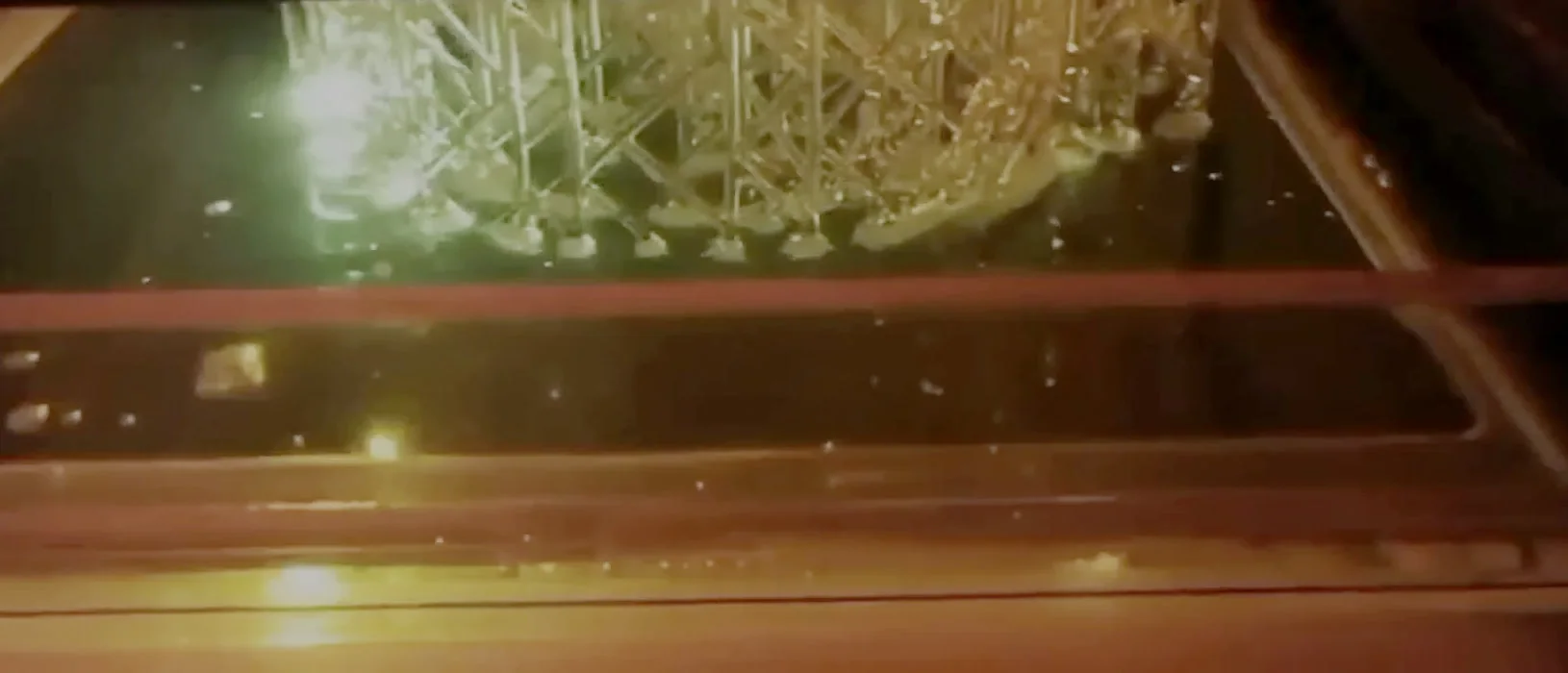
Liquid resin is cured layer by layer by a laser (SLA) or by light through an LCD screen (MSLA). For models with fine details and smooth surfaces.
Formlabs Form 4 · Formlabs Form 3L · Formlabs Form 3 · Anycubic Photon Mono M7 Pro
SLS
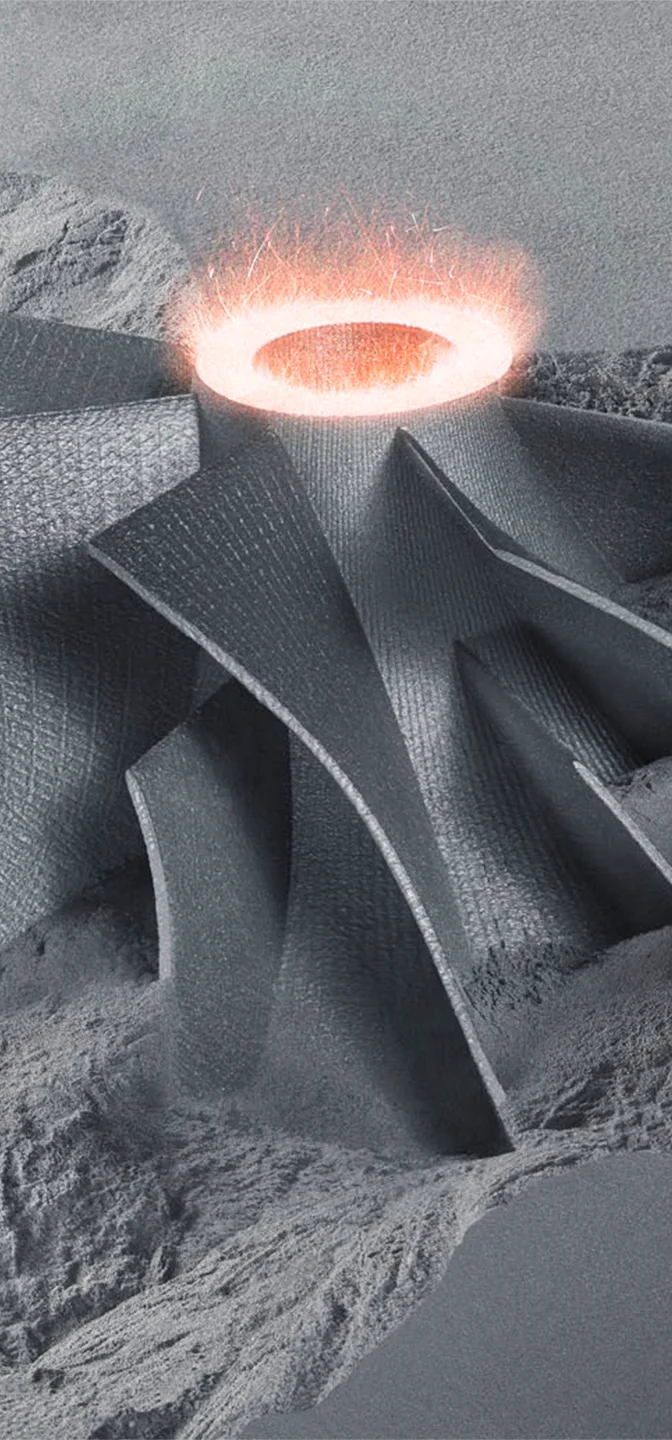
A laser sinters nylon powder into highly complex parts, without support structures.
Formlabs Fuse 1+ 30W
Our work
Parts, scans and models from our workshop — and projects where we provided technical support.
3D printing
Robotics · EUROBOT student competition
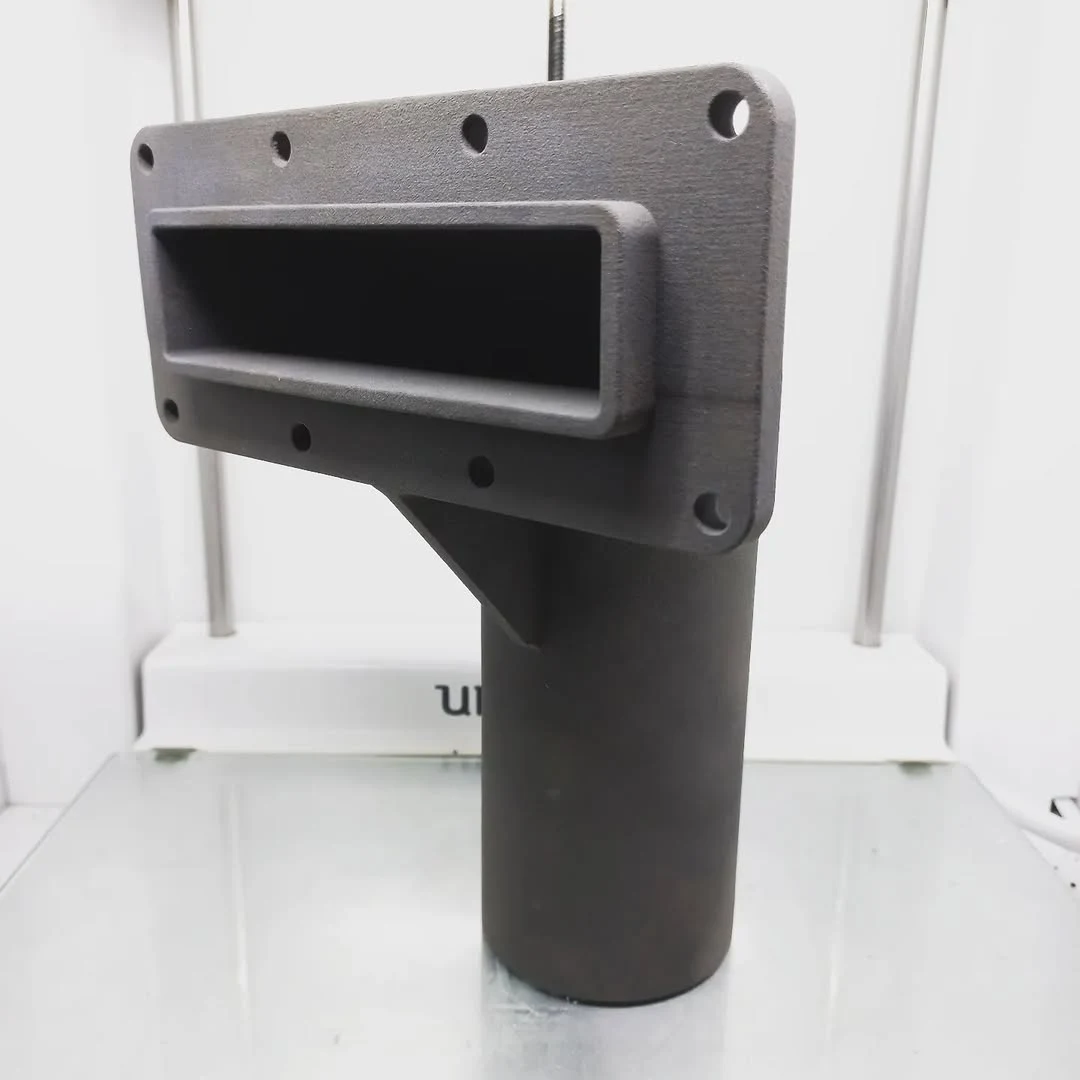
3D printing
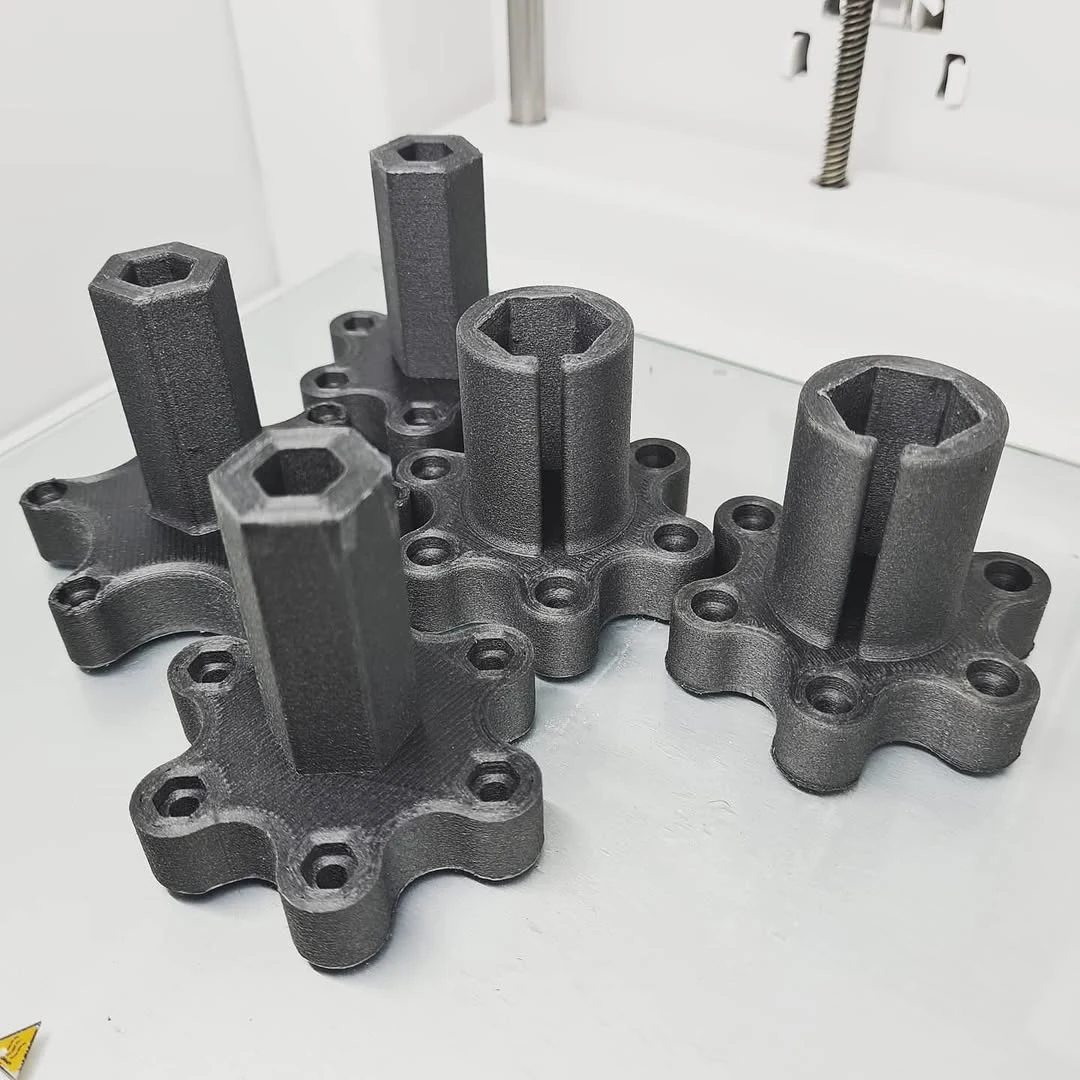
Functional parts
3D printing
Spare parts
3D printing
Spare parts
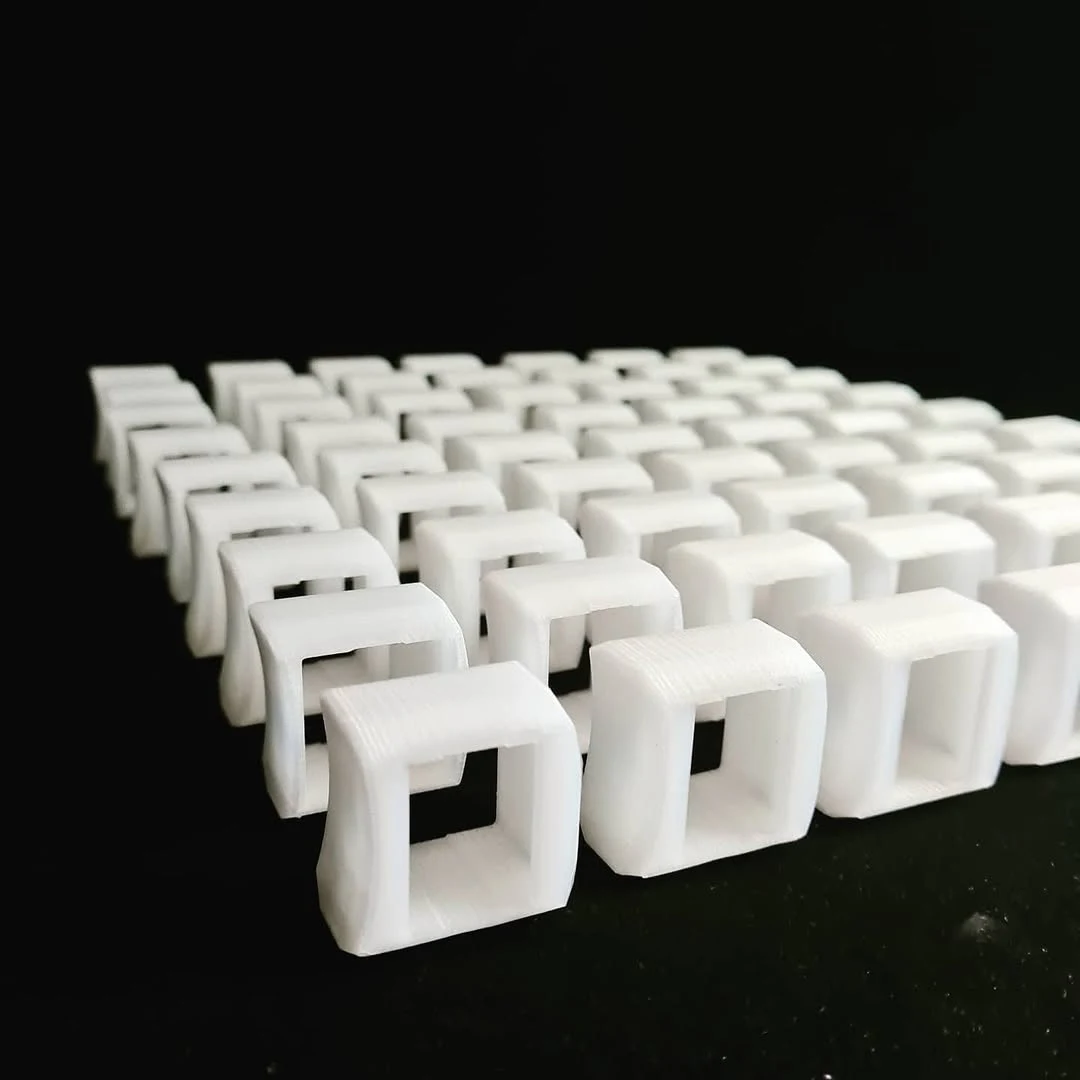
3D printing
Spare parts · small series
How we work
A vision and a few drawings are enough. We work out the rest together, step by step.
Everything starts with an idea. A vision and a few drawings are enough to develop the concept. We review your plan or sketch and listen to what you want to achieve.
We create a 3D model that faithfully represents and fully defines the idea — or we check and prepare the model you have supplied.
Based on the part's purpose, we choose the printing technology and a material with suitable mechanical and physical properties.
The prototype is tested in real conditions. Any flaws found and better solutions go back into the initial 3D model.
Once the solution is confirmed, we produce the final parts — as single pieces, in a small series or as a basis for moulds and tooling.
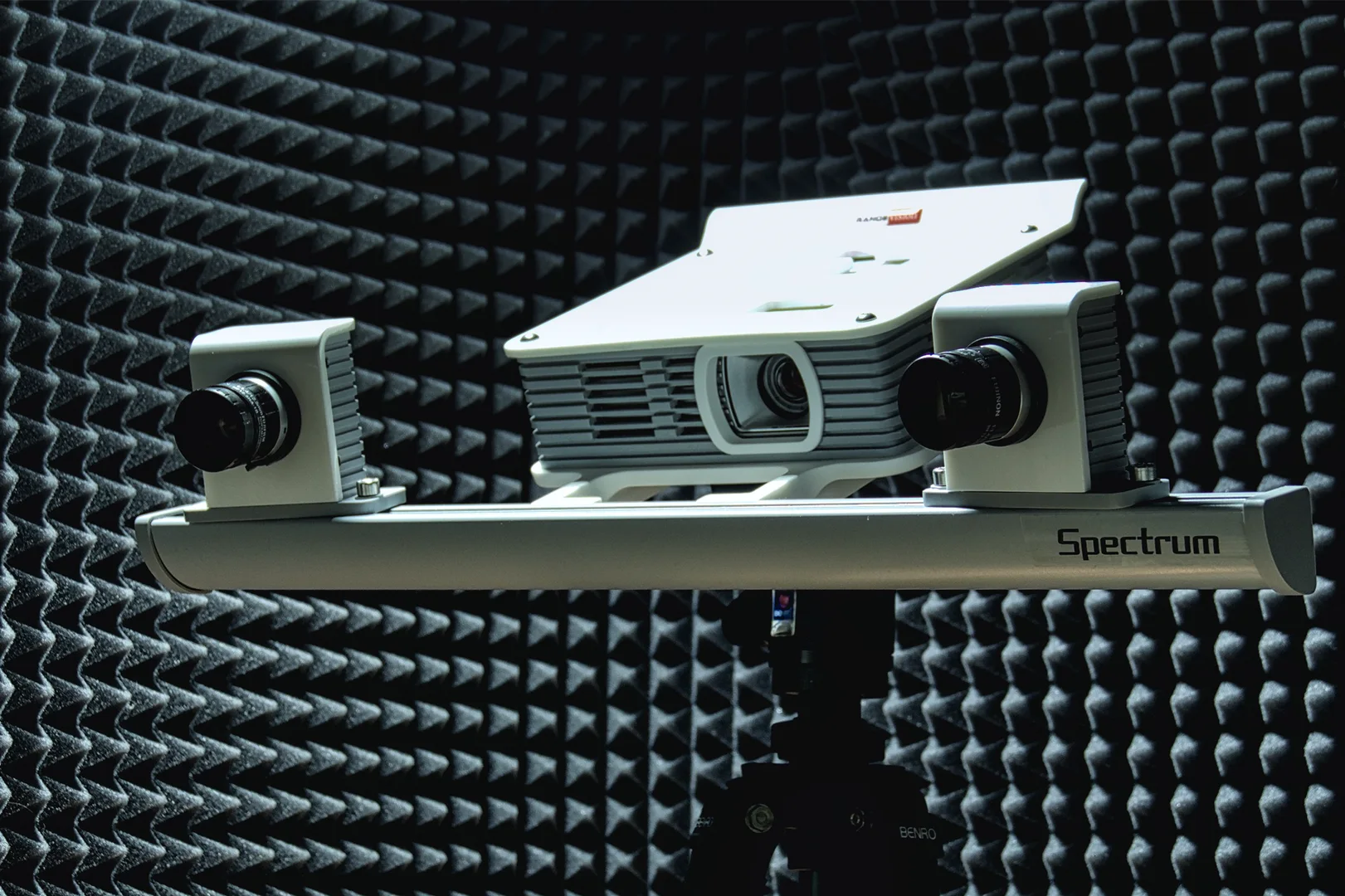
RangeVision Spectrum · 3D scanner
Why Infinity Print
Blog
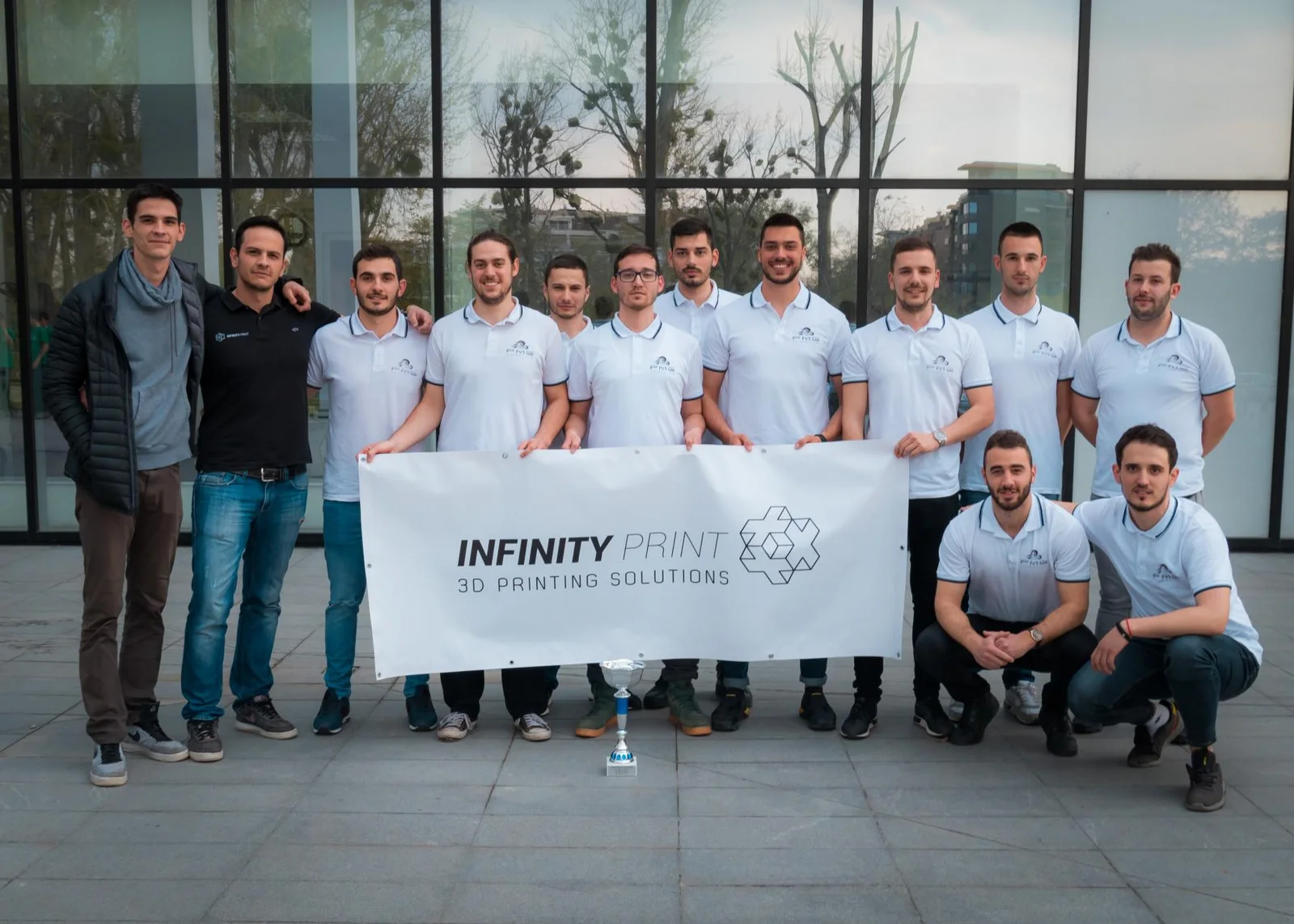
Ekipa PMG robotics osvojila je prvo mesto na nacionalnom EUROBOT 2019 takmičenju i time sebi obezbedila plasman u Francusku.
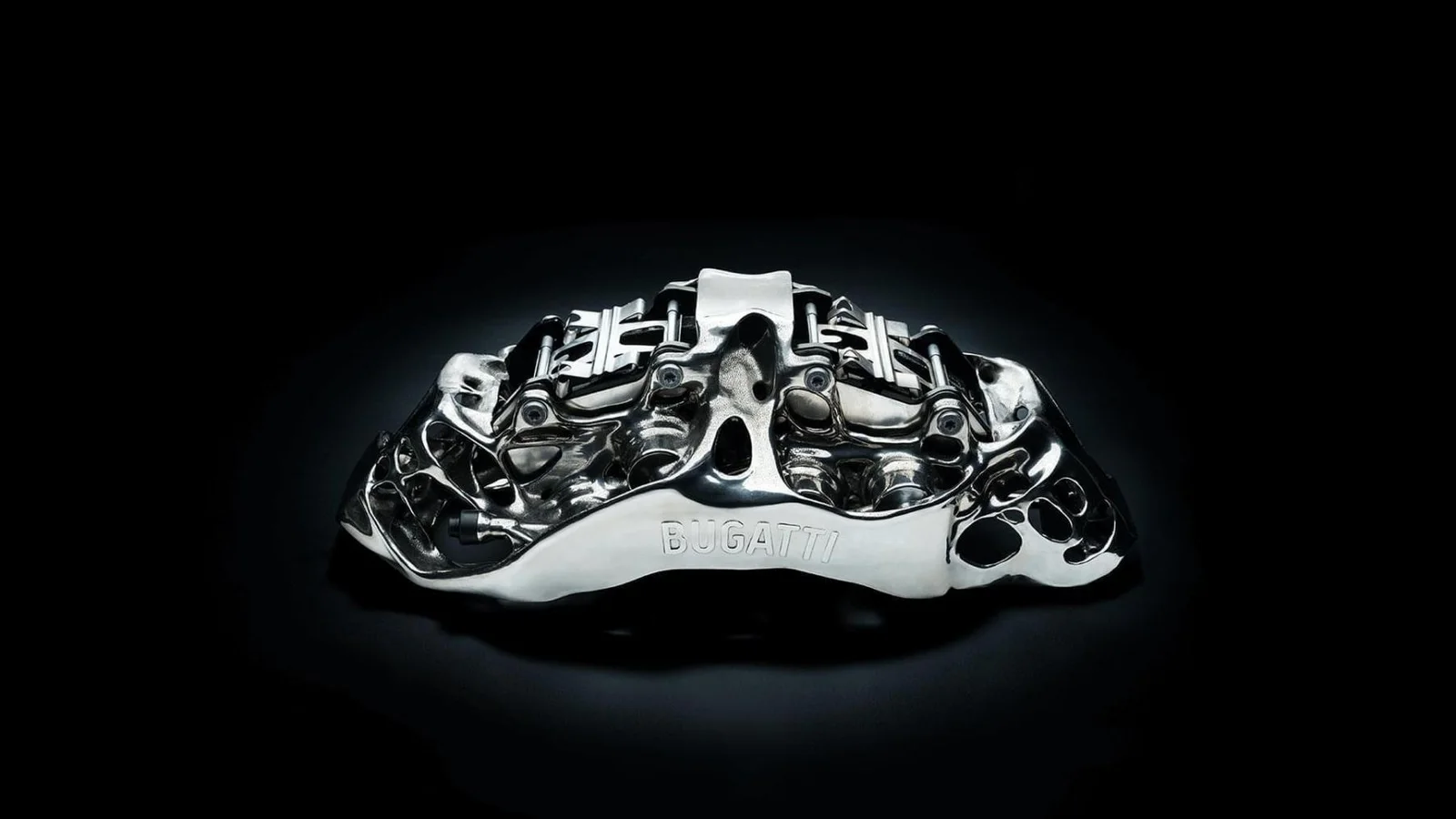
Bugatti ide korak dalje od konkurencije i probija potpuno novi teren u proizvodji auto delova
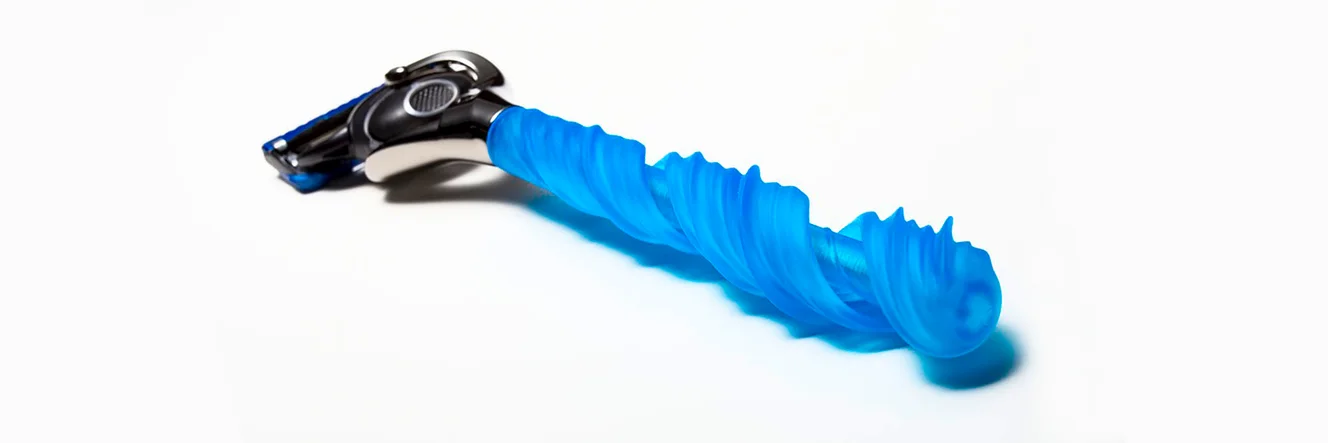
Svetski poznat brend Gillette u partnerstvu sa Formlabs-om radi na pilot projektu pod nazivom Razor Maker, sa ciljem da kupcima…
Next step
Send us a project description, sketch or 3D model — we will get back to you with a proposed technology and material.