Service
3D scanning
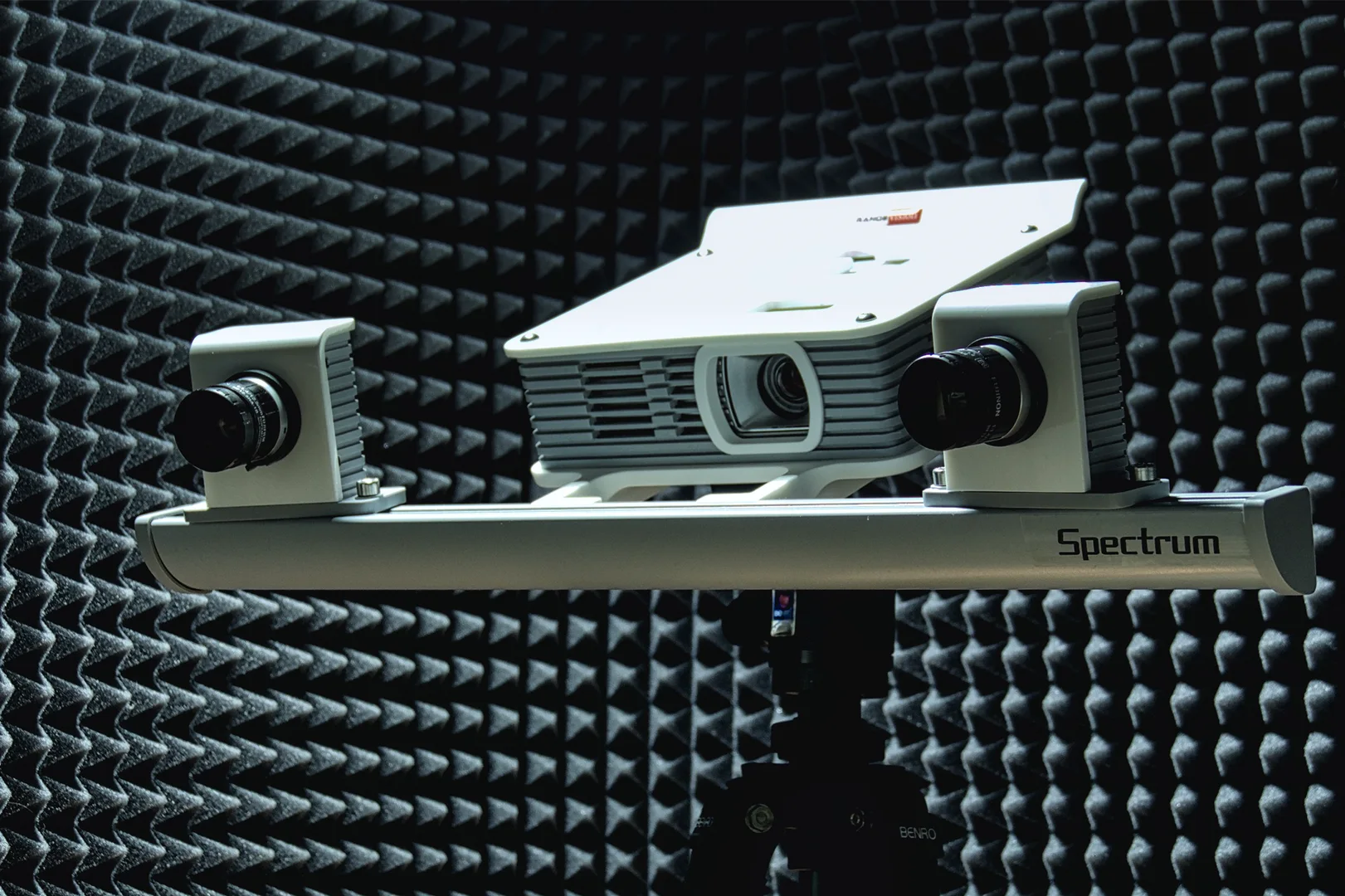
Laser 3D scanning lets you turn a physical object into a precise 3D model.
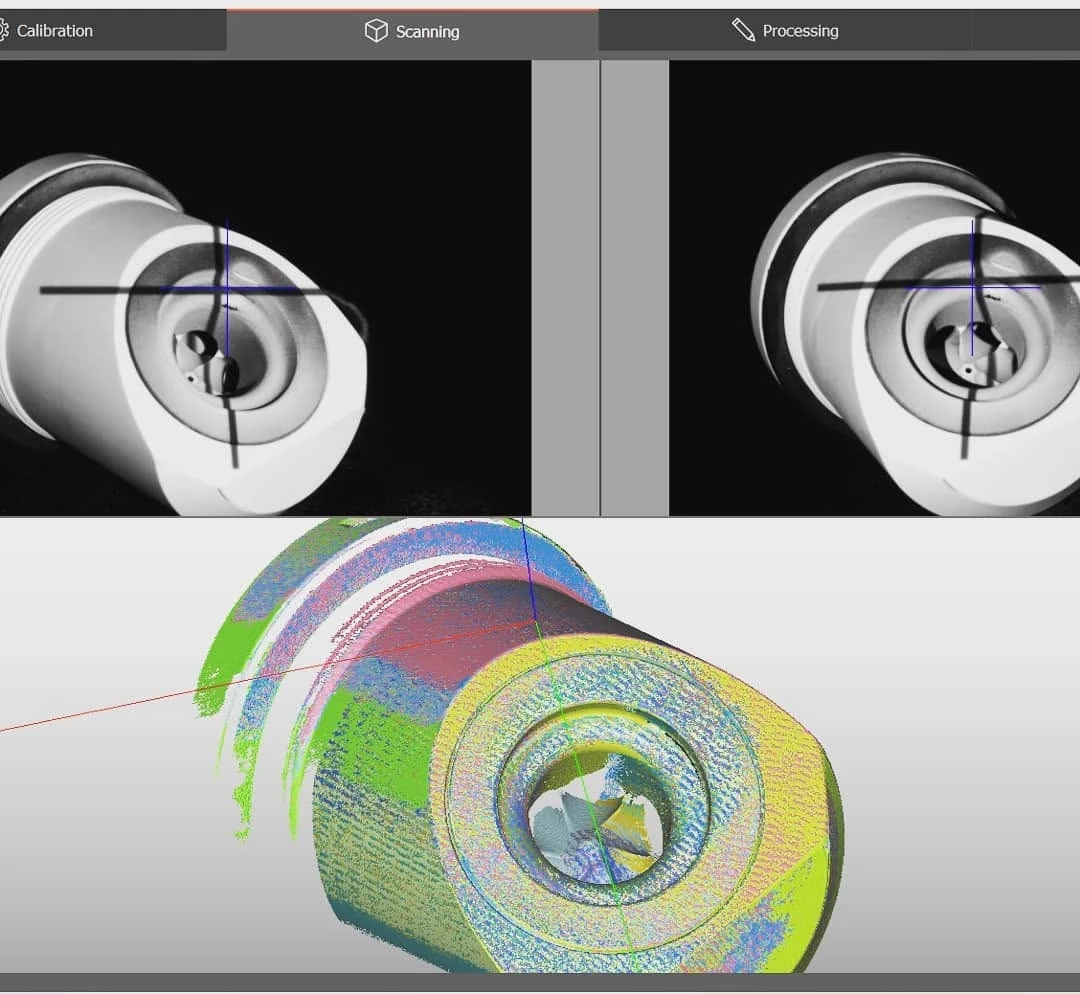
Capture the geometry and shapes of your object precisely and accurately, and obtain its complete digital representation for 3D printing. Data captured by the 3D scanner is processed with sophisticated software tools that create a computer 3D model — a precise virtual copy of the real, scanned object.
3D scanning is used for highly complex models with many recesses, curved sections and details that reflect the real shape of the object, with all its irregularities and damage. Scanning saves you the time it would take to draw the model in a CAD program.
A computer 3D model created this way records all the characteristics of the object and so forms its faithful virtual copy — the basis for reverse engineering, refinement or reproduction.
What the scanner can capture
01
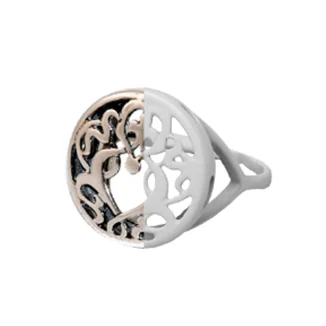
Fine details
Industrial colour cameras with 3.1 Mpix sensors capture the smallest and finest details, as well as curved surfaces of various objects, down to a size of 0.07 mm.
02
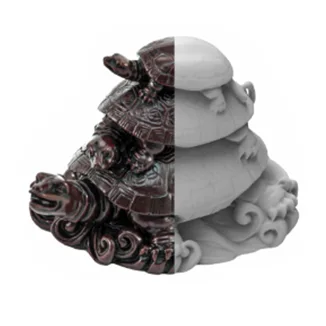
Complex shapes
A two-camera scanner makes the scanning process more precise and stable and reduces the need for recalibration during work to a minimum. It is ideal for representative visualisation of objects with complex shapes.
03
Objects of various sizes
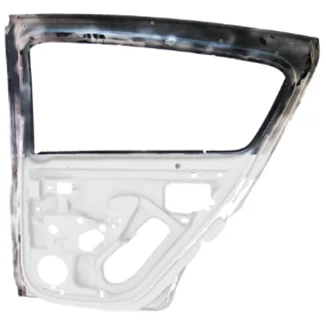
Thanks to scanning with targets and adjustable fields of view, we scan objects of very different dimensions — from small items to large parts.
Equipment for this service
All equipment and specificationsQuote
What we need for a quote
We prepare the quote based on the model and the part's purpose. The more information you send, the more accurate our proposal of technology and material.
- Photos of the object and its approximate dimensions.
- The purpose of the 3D model: reverse engineering, refinement, a 3D-printed copy or visualisation.
- The number of objects to be scanned.
- Your deadline, if it matters for the project.
Frequently asked questions
What object sizes can you scan?
The RangeVision Spectrum scanner has three scanning zones, for objects from about 1 cm to 3 m. Large parts are scanned with targets.
What do I get as the result of scanning?
A digital 3D model — a virtual copy of the object that serves as the basis for reverse engineering, refinement or re-manufacture by 3D printing.
What is reverse engineering?
A process in which a 3D scan of an existing part is turned into a digital model ready for refinement or re-manufacture — for example when no technical drawing of the part exists.
Does the scanner also capture colour?
Yes. The scanner has industrial colour cameras and is suitable for detailed colour scans.
Related pages
Other services
3D printing
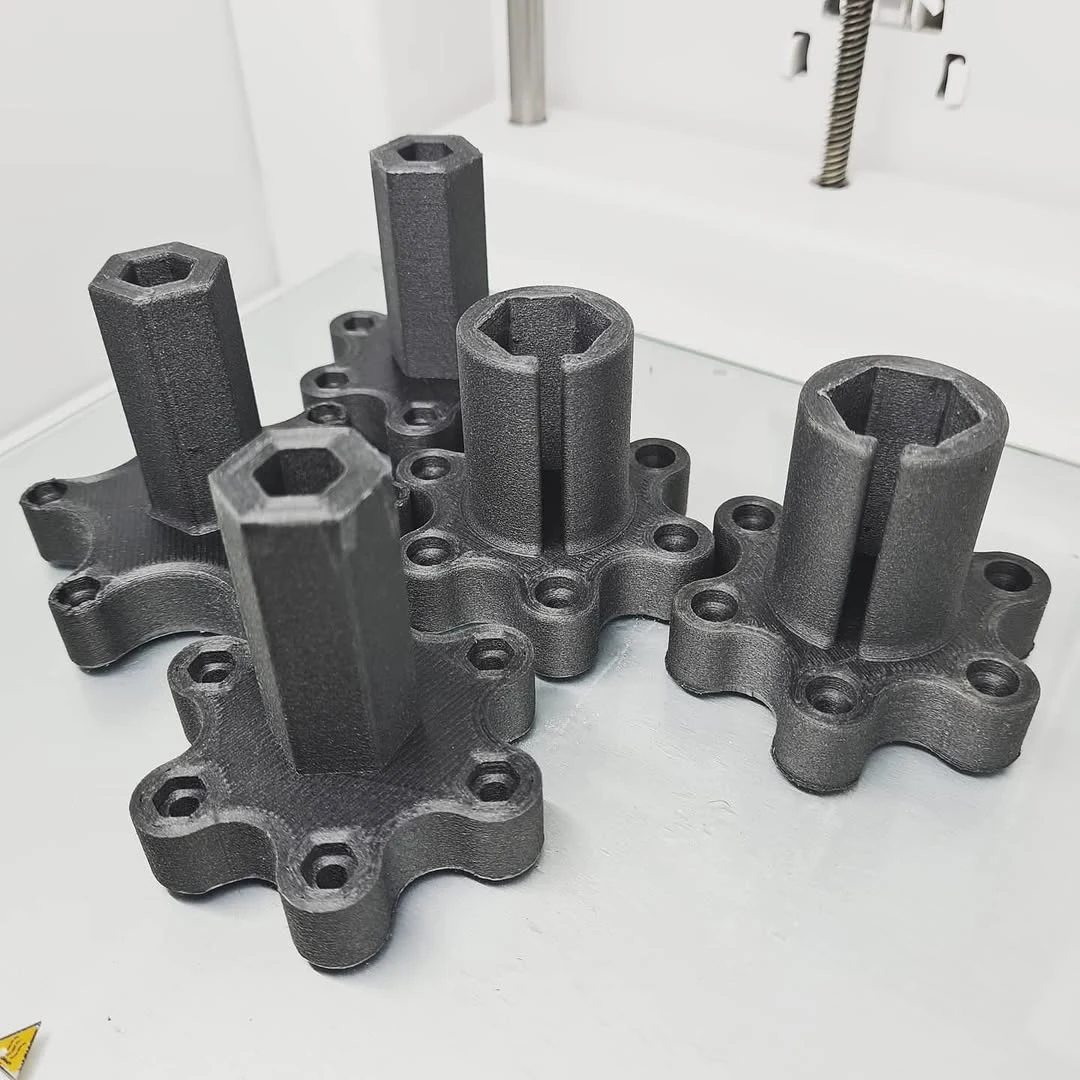
3D printing of functional parts, small series and composite materials — scale models, parts and prototypes made to order.
3D modelling
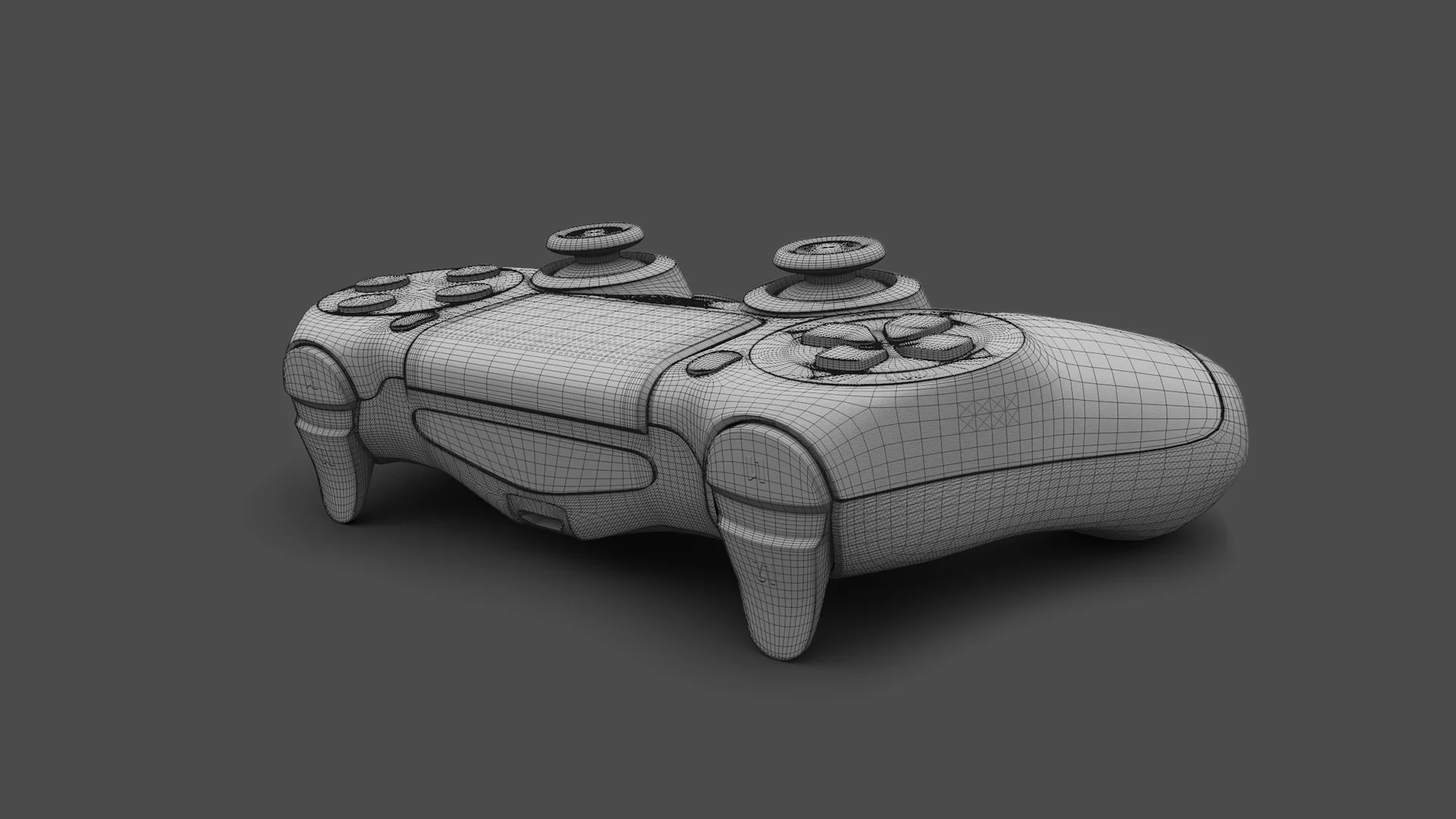
Detailed, parametric 3D models based on an idea, technical drawing or sketch.
SLS 3D printing
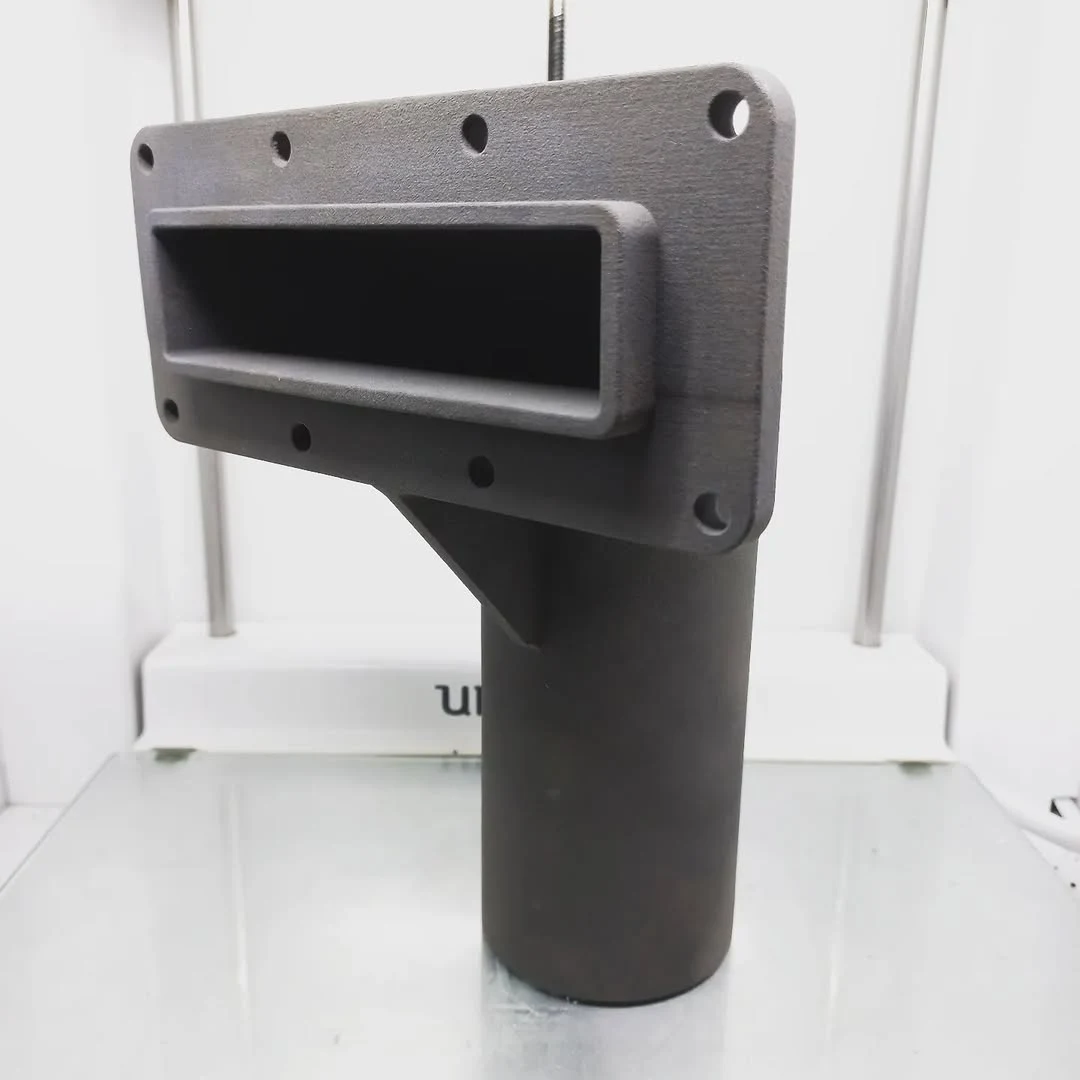
SLS 3D printing of complex functional parts and small series in PA11 and PA12 nylon, without support structures.
Next step
Have an idea? Let's turn it into reality
Send us a project description, sketch or 3D model — we will get back to you with a proposed technology and material.