Service
SLS 3D printing
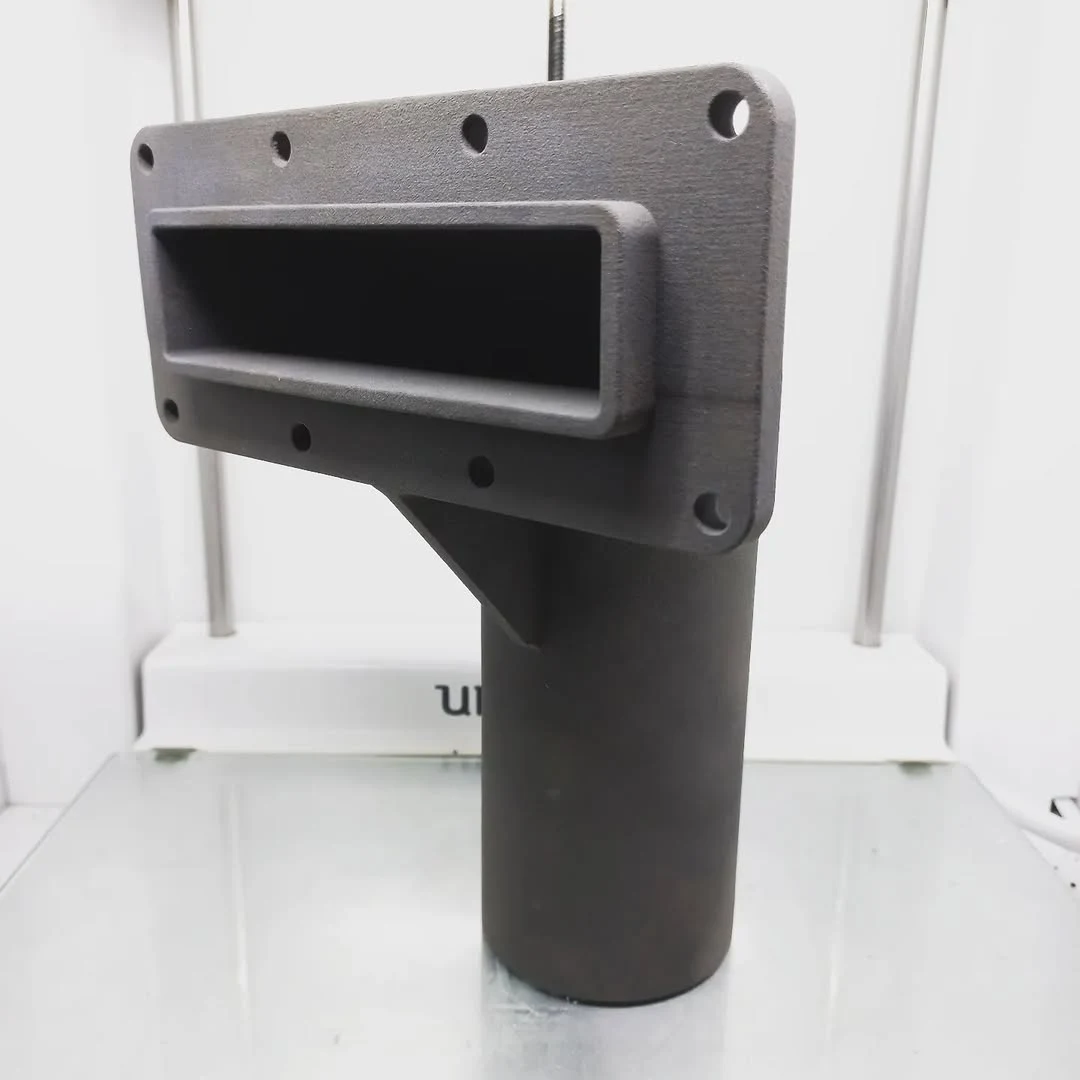
A laser sinters nylon powder into strong, complex parts — without support structures.
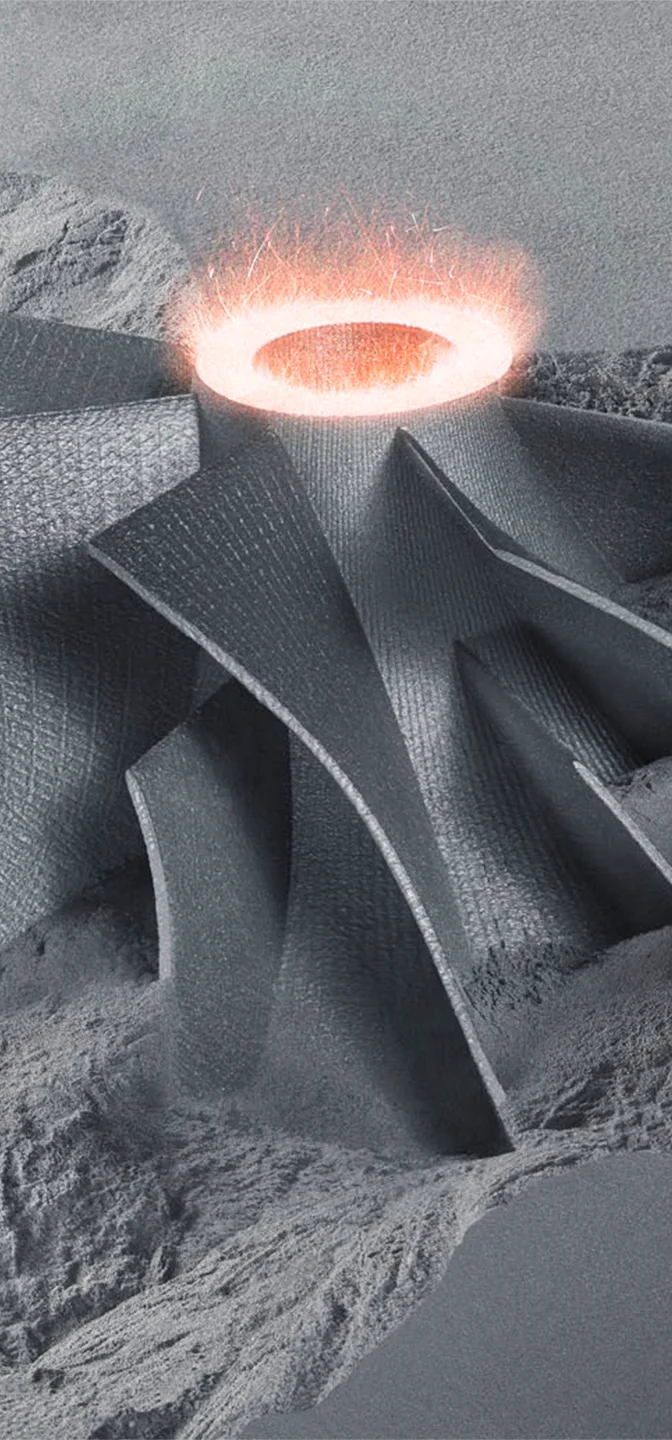
SLS (selective laser sintering) is a 3D printing technology in which a laser fuses particles of nylon powder, layer by layer, into a solid part. The unfused powder surrounds the part during printing and supports it, so no support structures are needed.
This makes SLS suitable for parts with complex geometry — with internal channels, recesses and assemblies — and for small series, because several parts are arranged in the same build volume and printed at once.
We print on a Formlabs Fuse 1+ in PA12 and PA11 nylon, PA12 reinforced with glass (GF) or carbon (CF) fibres, TPU and polypropylene (PP). Up to 70% of the unused powder can be reused.
Why SLS 3D printing
01
No support structures
The powder holds the part during printing, enabling complex and enclosed geometries that are hard to produce with other technologies.
02
Functional parts
PA11 and PA12 nylon is strong and tough, so SLS is used for functional prototypes and parts under load.
03
Small series
Several parts in a single print make SLS well suited to small series of spare parts and prototypes.
Equipment for this service
All equipment and specificationsQuote
What we need for a quote
We prepare the quote based on the model and the part's purpose. The more information you send, the more accurate our proposal of technology and material.
- A 3D model of the part (STL, STEP/STP, OBJ or IPT).
- The part's purpose and the conditions it will be used in.
- Quantity — for small series and single parts.
- Your deadline, if it matters for the project.
Frequently asked questions
Which materials do you use for SLS printing?
PA12, PA11, PA12 GF (glass-filled), PA12 CF (carbon-fibre reinforced), flexible TPU and polypropylene (PP). A short description of each is on the Materials page.
What is the maximum part size?
The build volume of the Fuse 1+ is 165 × 165 × 300 mm. For larger parts we will propose another solution — splitting into segments or a different technology.
What is the surface of SLS parts like?
The surface is matte and slightly rough, which is typical of sintered powder. If a smooth surface or the finest details matter, we will suggest SLA printing.
When is SLS a better choice than FDM or SLA?
When the part has complex geometry, needs to be functional and strong, or a small series is required. For larger and simpler parts FDM is often sufficient, and SLA for fine details.
Related pages
Other services
3D printing
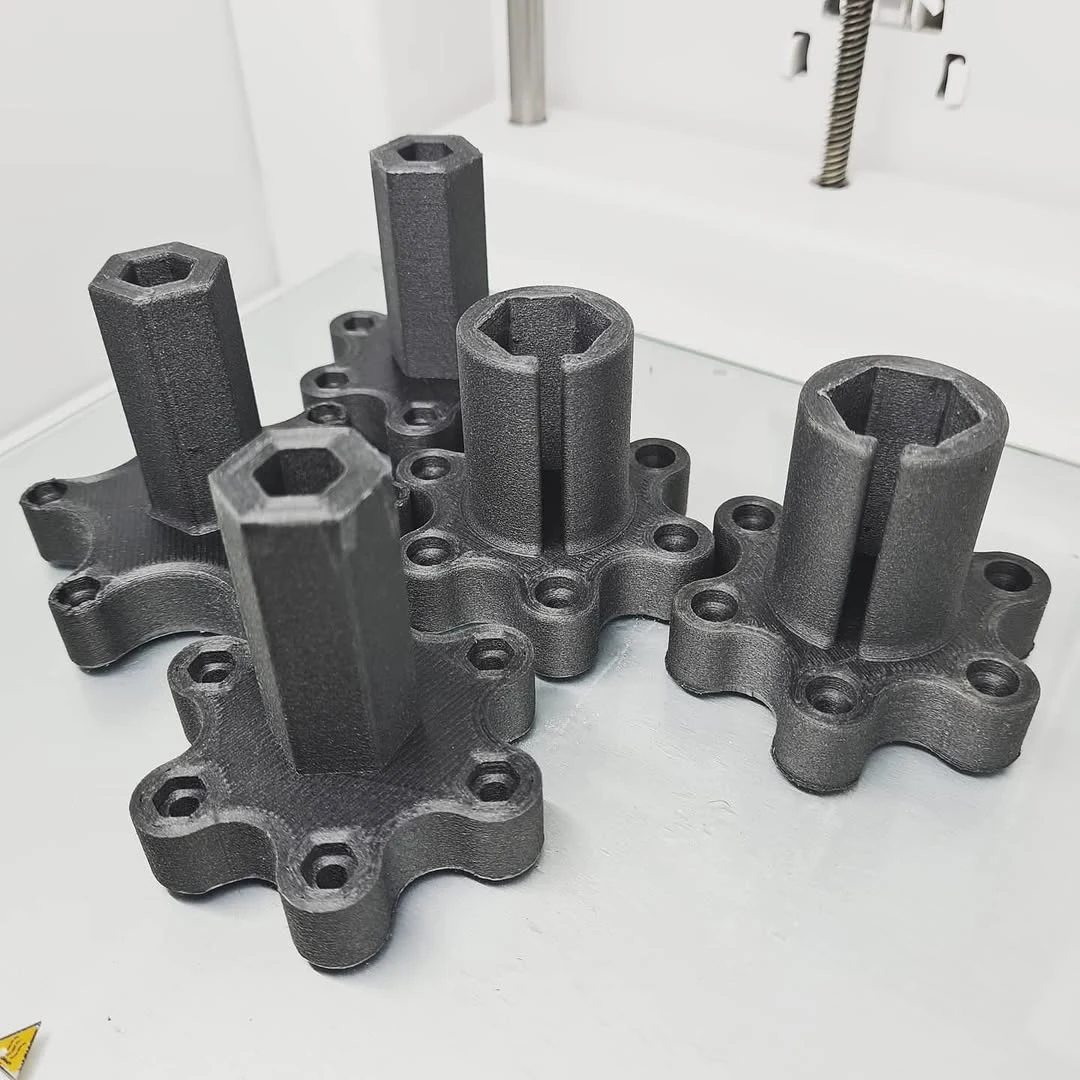
3D printing of functional parts, small series and composite materials — scale models, parts and prototypes made to order.
3D scanning
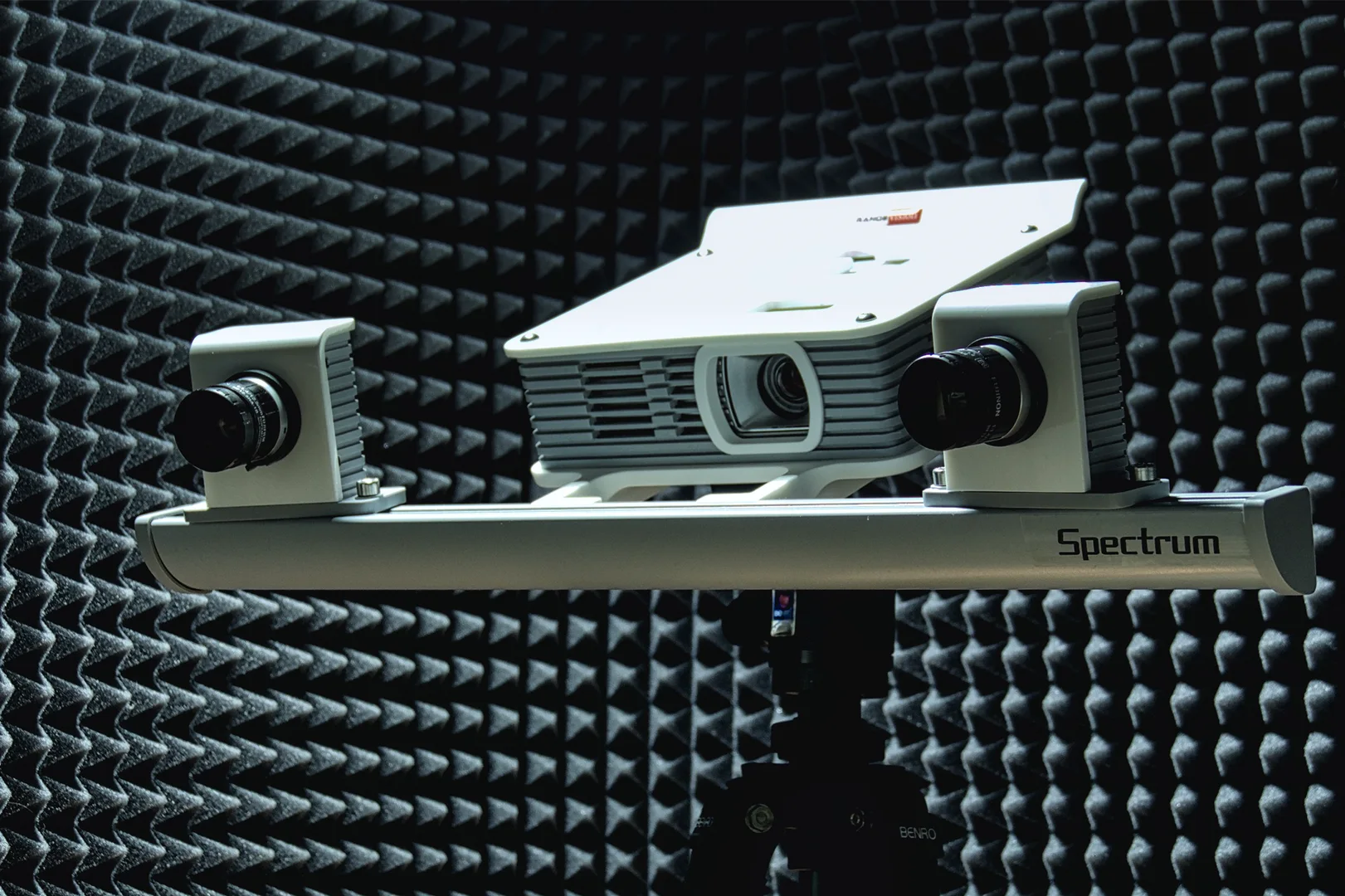
Laser 3D scanning turns a physical object into a precise digital 3D model.
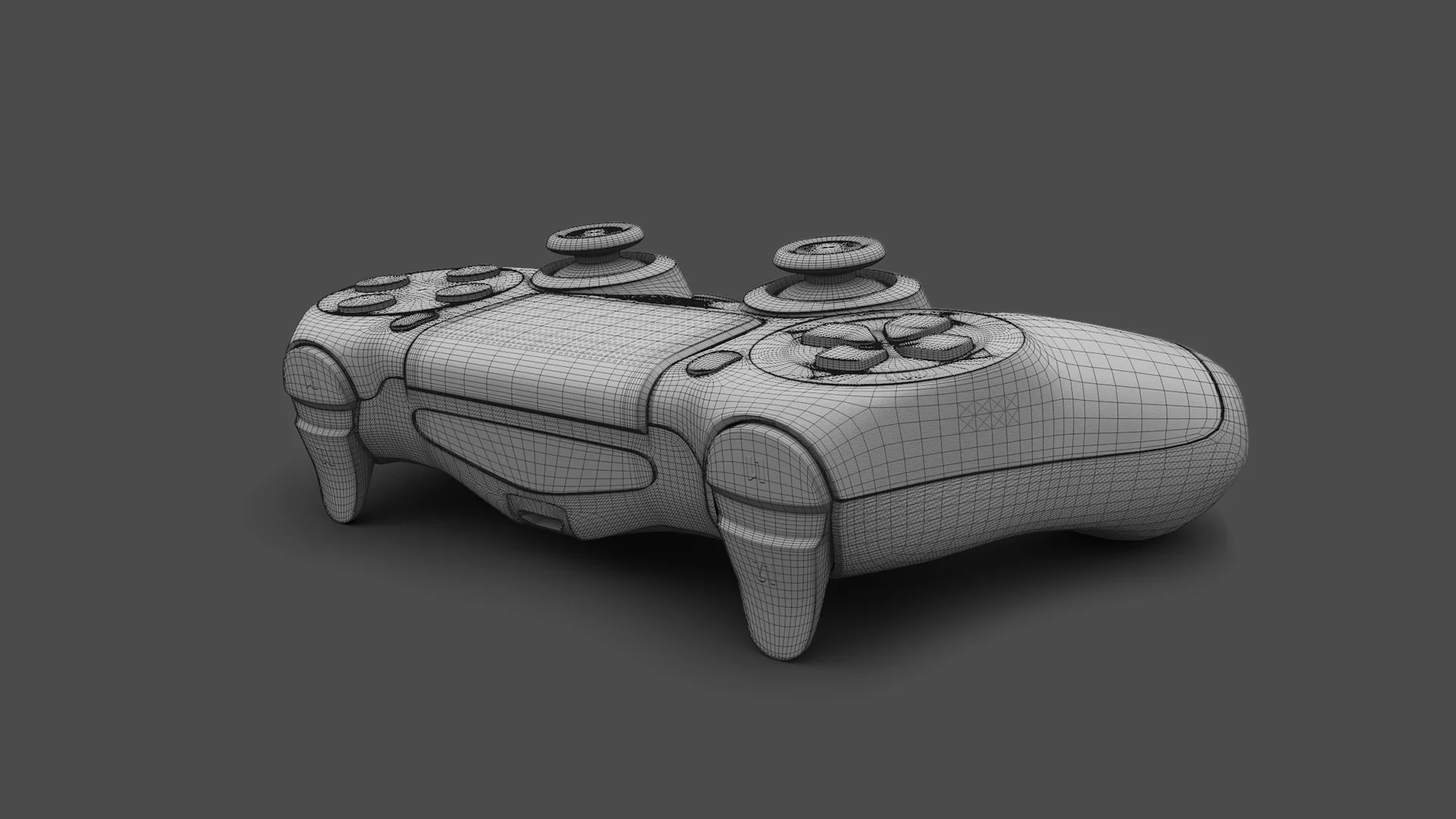
3D modelling
Detailed, parametric 3D models based on an idea, technical drawing or sketch.
Next step
Have an idea? Let's turn it into reality
Send us a project description, sketch or 3D model — we will get back to you with a proposed technology and material.